Best Time to Visit Serengeti National Park: A Month-by-Month Guide
The Serengeti is open and rewarding all year round — but choosing the right month to visit can make the difference between a good safari and a truly extraordinary one. The season you choose will determine which part of the legendary Great Migration you witness, what weather conditions you experience, how crowded the park will be, and how much you will pay. This detailed month-by-month guide will help you choose the perfect time to visit the Serengeti based on exactly what you want to see and experience.
January and February — Calving Season in the Southern Serengeti
The first months of the year are among the most dramatic in the Serengeti. During this time, huge wildebeest herds gather in the short-grass plains of southern Serengeti, particularly near the Ndutu area at the edge of the Ngorongoro Conservation Area.
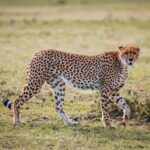
Up to 8,000 wildebeest calves are born each day at the peak of calving season. Predators — lions, cheetahs, leopards, hyenas, and wild dogs — gather in extraordinary numbers, creating intense predator-prey action.
The weather is generally dry and pleasant, and the short grass makes wildlife spotting exceptionally clear. Travelers to Serengeti during this period have a unique opportunity to witness these incredible scenes up close.
March to May — The Long Rains
March, April, and May bring the long rainy season to the Serengeti. During these months, the herds begin their migration northward through the central and western Serengeti, and heavy afternoon rains transform the landscape into a lush, vivid green. While some tracks become muddy and difficult, game drives are still productive and rewarding — and the Serengeti in the green season has a beauty that the dry season cannot match. Birdlife is spectacular, with migratory species supplementing the park’s already extraordinary resident bird population. Visitor numbers are significantly lower during the long rains, and prices at lodges and camps are considerably reduced — making this an excellent choice for budget-conscious travellers who do not mind occasional wet weather.
June and July — The Grumeti River Crossings
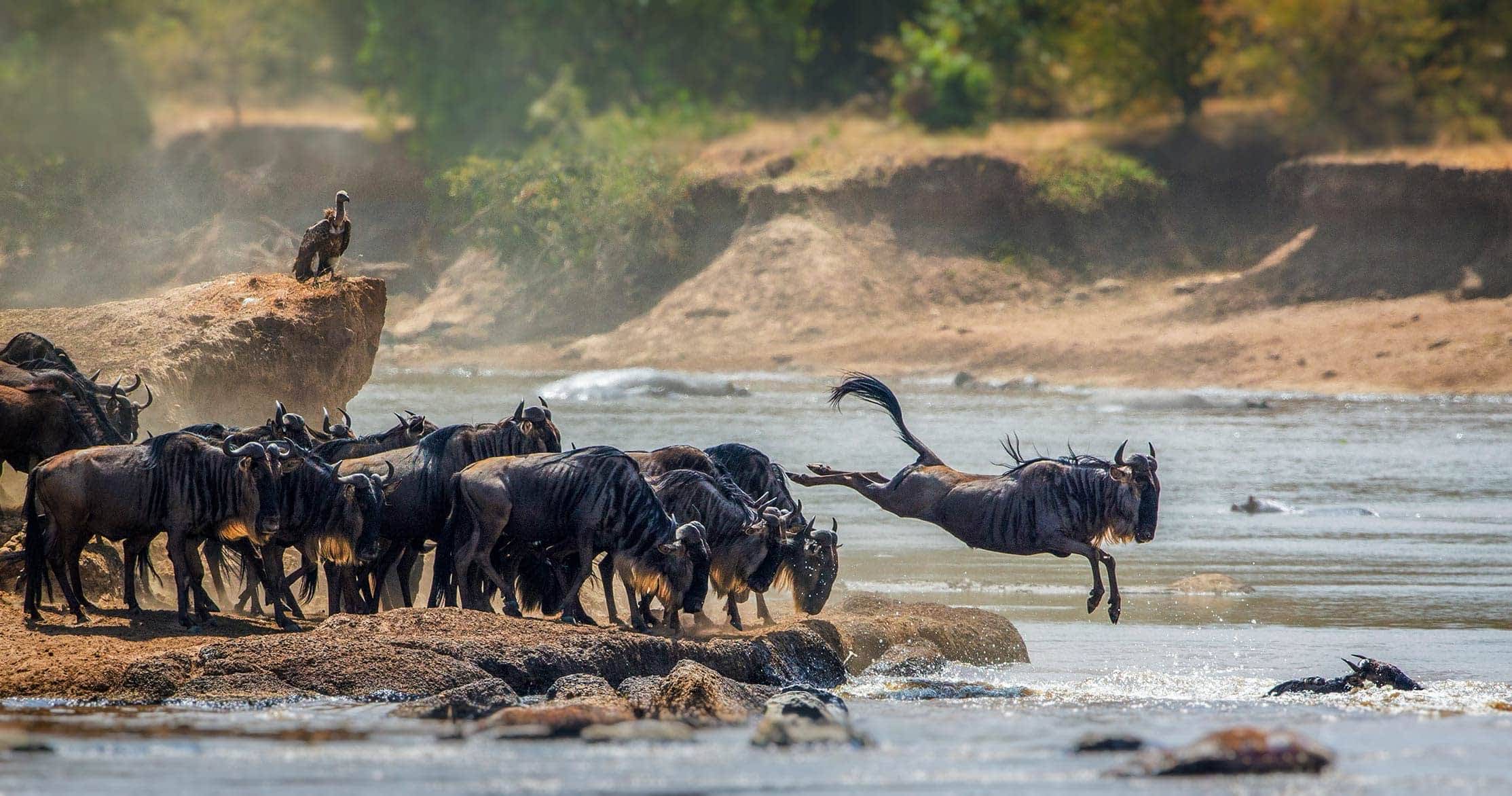
As the rains end and the dry season begins, the great wildebeest herds push northward through the western corridor of the Serengeti. In June and July, they reach the Grumeti River — a relatively narrow but crocodile-filled waterway that the herds must cross. The Grumeti crossings receive less publicity than the more famous Mara River crossings further north, but they are equally dramatic and sometimes even more concentrated, as the river is narrow enough that thousands of animals cross in a relatively small area. Resident crocodiles — some truly enormous — lie in wait with spectacular results. This is also the best time to visit Serengeti park.
August to October — The Mara River Crossings
This is the moment that most visitors have in mind when they think of the Great Migration — and it is every bit as spectacular as you imagine. From August through October, the enormous herds are concentrated in the northern Serengeti near the Kenyan border, where they must repeatedly cross the crocodile-infested Mara River before the grass runs out and they turn south again. Witnessing a Mara River crossing — thousands of wildebeest launching themselves into the turbulent water, crocodiles exploding from the shallows, chaos and survival playing out simultaneously on both banks — is one of the most visceral and unforgettable wildlife experiences on Earth. Book accommodation in the northern Serengeti well in advance for these months.
November and December — The Short Rains
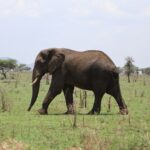
November and December bring a brief period of short rains that are generally far less intense and disruptive than the long rains of March to May. The herds begin their return journey southward, and the landscape turns green and beautiful. The Serengeti in November and December is uncrowded, less expensive than peak season, and offers excellent general wildlife viewing — lions, elephants, giraffes, and buffalo are plentiful throughout the park. This is also a wonderful time to visit if you are combining your Serengeti safari with a beach holiday on Zanzibar, as the short rains on the coast are typically light and brief.
There is truly no bad time to visit the Serengeti — every month offers something extraordinary. However, if witnessing the famous Mara River crossings is your priority, target August to October. For calving season drama, January and February are superb. For great wildlife with lower prices and fewer crowds, consider the green season from March to May or the short rains in November. Whatever month you choose, the Serengeti will deliver an experience beyond anything you have ever imagined.