Tanzania Safari Travel Tips for First-Time Visitors
Tanzania safari travel tips are essential for anyone planning their first African wildlife adventure. Visiting Tanzania’s famous parks like Serengeti and Ngorongoro offers unforgettable experiences, but proper preparation makes your safari even more enjoyable and stress-free.
However, preparing well for a safari can make the difference between a good trip and an extraordinary one. Africa’s wilderness is unique, and travelers who understand local conditions, culture, and practical travel advice will enjoy a smoother and more rewarding experience. Below are ten important travel tips that will help you prepare for a safe, comfortable, and unforgettable safari in Tanzania. Many first-time visitors search for Tanzania safari travel tips before planning their trip.
1. Arrange Comprehensive Travel Insurance
Before traveling to Tanzania, it is highly recommended to purchase reliable travel insurance. While safaris are generally safe and well organized, unexpected situations can occur during international travel. Good travel insurance should cover medical emergencies, trip delays, cancellations, and emergency evacuations.
Because many safari destinations are located in remote areas, evacuation coverage can be especially important. Having a copy of your insurance information available—either printed or stored on your phone—ensures you can quickly access important details if needed.
2. Important Tanzania Safari Travel Tips for Safety
Tanzania is considered a welcoming and relatively safe destination for international travelers. Visitors arrive every year to explore national parks, climb mountains, and relax on beaches. Nevertheless, basic safety awareness is always wise when traveling abroad.
Avoid carrying large amounts of cash, and keep important documents like passports stored securely at your lodge or hotel. When exploring cities or busy areas such as markets and airports, keep bags, phones, and cameras close to you. At night, it is best to move around with companions or arrange transport through your hotel or tour operator. Following these Tanzania safari travel tips ensures a safe experience.
Simple precautions like these help ensure a comfortable and worry-free safari experience.
3. Understand Local Currency and Payment Methods
In Tanzania, both US Dollars and Tanzanian Shillings are commonly used. Many safari lodges, hotels, and tour companies accept US Dollars, while smaller shops and local markets may require Tanzanian Shillings.
It is useful to carry a combination of cash and a debit or credit card for convenience. ATMs are available in major towns like Arusha and Moshi, but they typically dispense local currency only. Informing your bank about your travel plans before departure helps prevent your card from being temporarily blocked during international transactions.
Keeping small denominations of cash can also be helpful for small purchases, tips, and souvenirs.
4. Prepare for Electricity and Charging Devices
Electricity in Tanzania generally operates at 220–240 volts, and the most common plug types are Type D and Type G. Travelers from many countries will need a universal travel adapter to charge phones, cameras, and other electronic devices.
In remote safari camps, electricity may come from solar power or generators that operate only during certain hours of the day. Because of this, it is a good idea to bring a power bank or spare camera batteries to ensure your devices stay charged during game drives and excursions.
5. Expect Limited Mobile Network in Remote Areas
While Tanzania has a growing telecommunications network, many safari destinations are located deep inside national parks where mobile coverage can be limited. Cities and towns generally have good reception, but signal strength may decrease once you enter wilderness areas.
Travelers who want reliable connectivity can purchase a local SIM card from providers such as Vodacom or Airtel upon arrival. Many safari lodges also offer Wi-Fi for guests, although speeds may vary due to the remote locations.
For many visitors, the limited connectivity actually enhances the safari experience, allowing them to fully disconnect and enjoy nature.
6. Drink Safe and Clean Water
Staying hydrated is very important during a safari, especially when spending long hours outdoors during game drives. Travelers should avoid drinking tap water and instead choose bottled or purified water.
Most safari lodges provide filtered drinking water for guests, and many encourage visitors to refill reusable bottles to reduce plastic waste. Carrying a personal water bottle during game drives is a simple way to stay comfortable and environmentally responsible.
7. Packing Tanzania Safari Travel Tips for Game Drives
The dry season in Tanzania, which typically runs from June through October, is excellent for wildlife viewing. However, game drives during this time can sometimes be dusty because safari vehicles travel on natural dirt roads inside national parks.
Wearing sunglasses can help protect your eyes from dust and bright sunlight. Many travelers also bring a light scarf or buff to cover their nose and mouth when necessary. Cameras and electronic equipment should be stored in protective bags to prevent dust from affecting sensitive components.
These small preparations make game drives much more comfortable.
8. Understand Safari Tipping Etiquette
Tipping is a common way of showing appreciation for good service during a safari, although it is always voluntary. Safari guides, lodge staff, and porters work hard to ensure guests have a memorable experience.
Typical tipping guidelines include:
- Safari guide: approximately $10–25 per day
- Lodge or camp staff: around $10–20 per day per guest
- Porters: about $1–2 per bag
Many safari camps provide a communal tip box where guests can leave a contribution for staff members. Tips are usually given in US Dollars or Tanzanian Shillings.
9. Support Local Communities
Tanzania’s tourism industry plays an important role in supporting local communities and conservation initiatives. Many safari lodges partner with nearby villages to fund schools, healthcare services, and environmental programs.
Travelers who wish to support local communities can do so by purchasing locally made crafts, visiting cultural centers, or donating to trusted community projects. Some visitors also choose to bring school supplies or sports equipment that can be shared with local schools.
Responsible tourism helps ensure that both wildlife and local communities benefit from safari travel.
10. Respect Wildlife and Nature
One of the most important principles of any safari is respecting wildlife and the natural environment. Tanzania’s national parks protect some of the most remarkable ecosystems in Africa, and responsible tourism helps preserve these landscapes for future generations.
Visitors should always follow the instructions of their safari guide, maintain a safe distance from animals, and avoid feeding wildlife. Staying inside the safari vehicle unless instructed otherwise is also important for safety.
Protecting the environment by reducing waste, avoiding single-use plastics, and respecting park regulations ensures that these incredible ecosystems remain healthy and vibrant.
A Safari Experience Like No Other
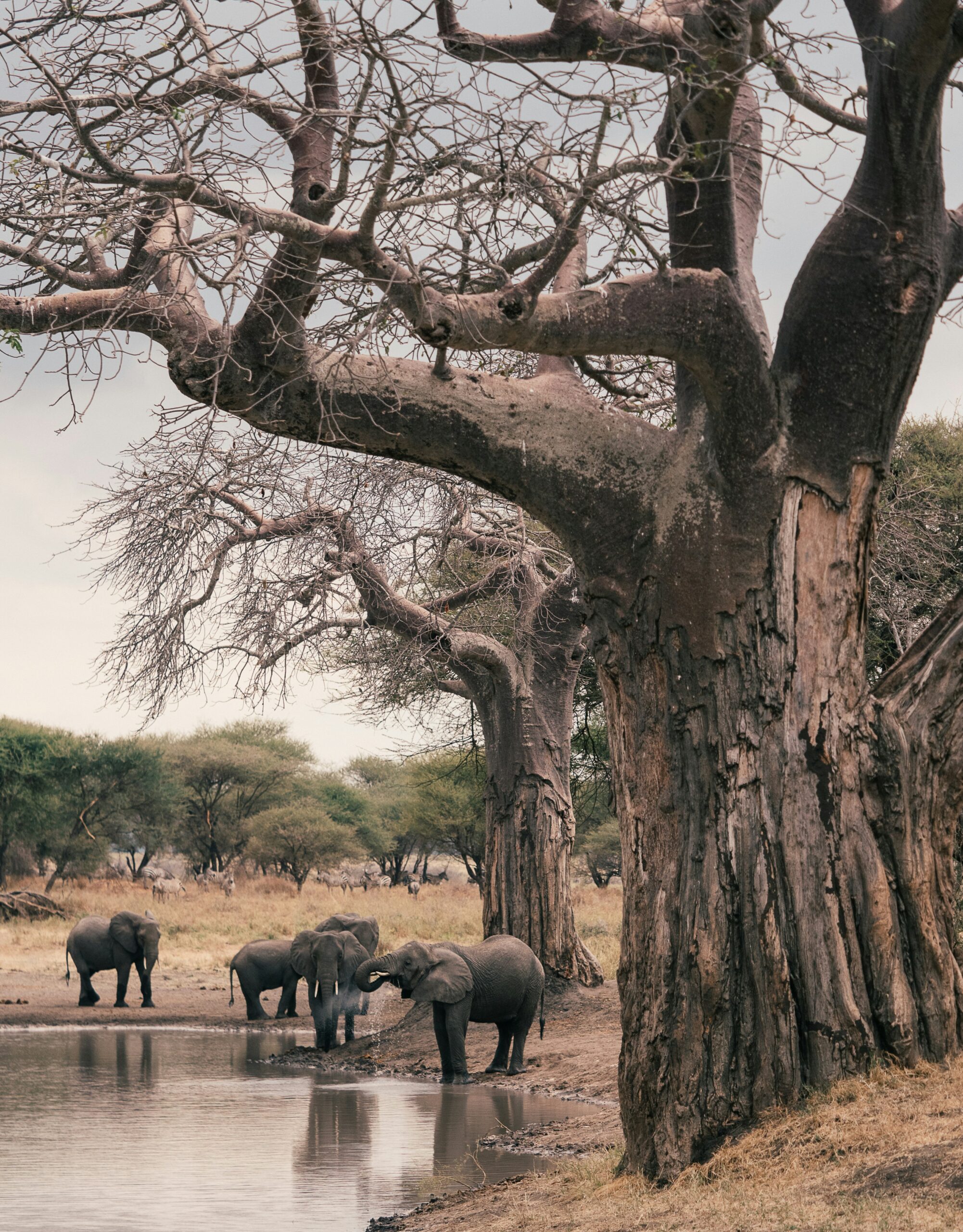
A safari in Tanzania offers a rare opportunity to witness nature in its purest form. Watching elephants roam across open plains, observing lions in their natural habitat, and listening to the sounds of the African wilderness at night creates a powerful connection with the natural world.
Destinations like Tarangire National Park, Serengeti National Park, and Ngorongoro Crater are among the most extraordinary wildlife locations on Earth, and every safari brings new surprises and unforgettable moments.
By preparing well and following these practical travel tips, visitors can focus on enjoying the adventure while experiencing Tanzania’s landscapes, wildlife, and culture in the best possible way.
Frequently Asked Questions About Tanzania Safaris
What is the best time for a Tanzania safari?
The best time for wildlife viewing is during the dry season from June to October.
Is Tanzania safe for safari travel?
Yes, Tanzania is one of the safest safari destinations when traveling with licensed tour operators.
Book your Tanzania Safari now— welcome to an unforgettable safari adventure.