
What Your Tanzania Safari Guide Sees That Tourists Usually Miss
A safari in Tanzania is an unforgettable experience filled with lions, elephants, giraffes, and breathtaking landscapes. Most visitors focus on spotting the famous “Big Five,” but there is much more happening in the wild than what first meets the eye.
Professional Tanzania safari guides spend years learning how to read the landscape, animal behavior, and subtle signs in nature. While tourists may see a beautiful savannah, guides see a story unfolding in every track, sound, and movement.
Here are some of the fascinating things your safari guide notices that many travelers often miss.
How a Tanzania Safari Guide Reads Animal Tracks
One of the most impressive skills of an experienced Tanzania Safari guide is the ability to read animal tracks. On safari drives through the plains of Serengeti National Park, guides carefully observe the dirt roads and sandy areas to identify footprints left by animals.
Each animal leaves a distinctive mark:
-
Lions leave large round prints without visible claw marks
-
Hyenas leave oval-shaped prints with claw marks
-
Leopards create smaller round prints compared to lions
-
Elephants leave enormous circular impressions in the soil
From these tracks, guides can determine:
-
Which animal passed by
-
How recently it walked there
-
Which direction it traveled
Sometimes a Tanzania safari guide can even predict that a predator is nearby simply by reading fresh tracks.
Tanzania Safari Guide Tips for Listening to Bird Warnings
Birds often act as nature’s alarm system. When something unusual happens, birds react quickly and loudly.
For example:
-
Certain birds make warning calls when predators appear
-
Vultures circling in the sky may indicate a recent kill
-
Oxpeckers on animals can reveal the presence of buffalo or rhinos
In areas like Ngorongoro Crater, guides frequently listen carefully to bird activity to understand what may be happening beyond the visible landscape.
Understanding Animal Behavior with Your Tanzania Safari Guide
Animals communicate constantly through body language and sounds. Guides are trained to interpret these signals.
For example:
Elephants
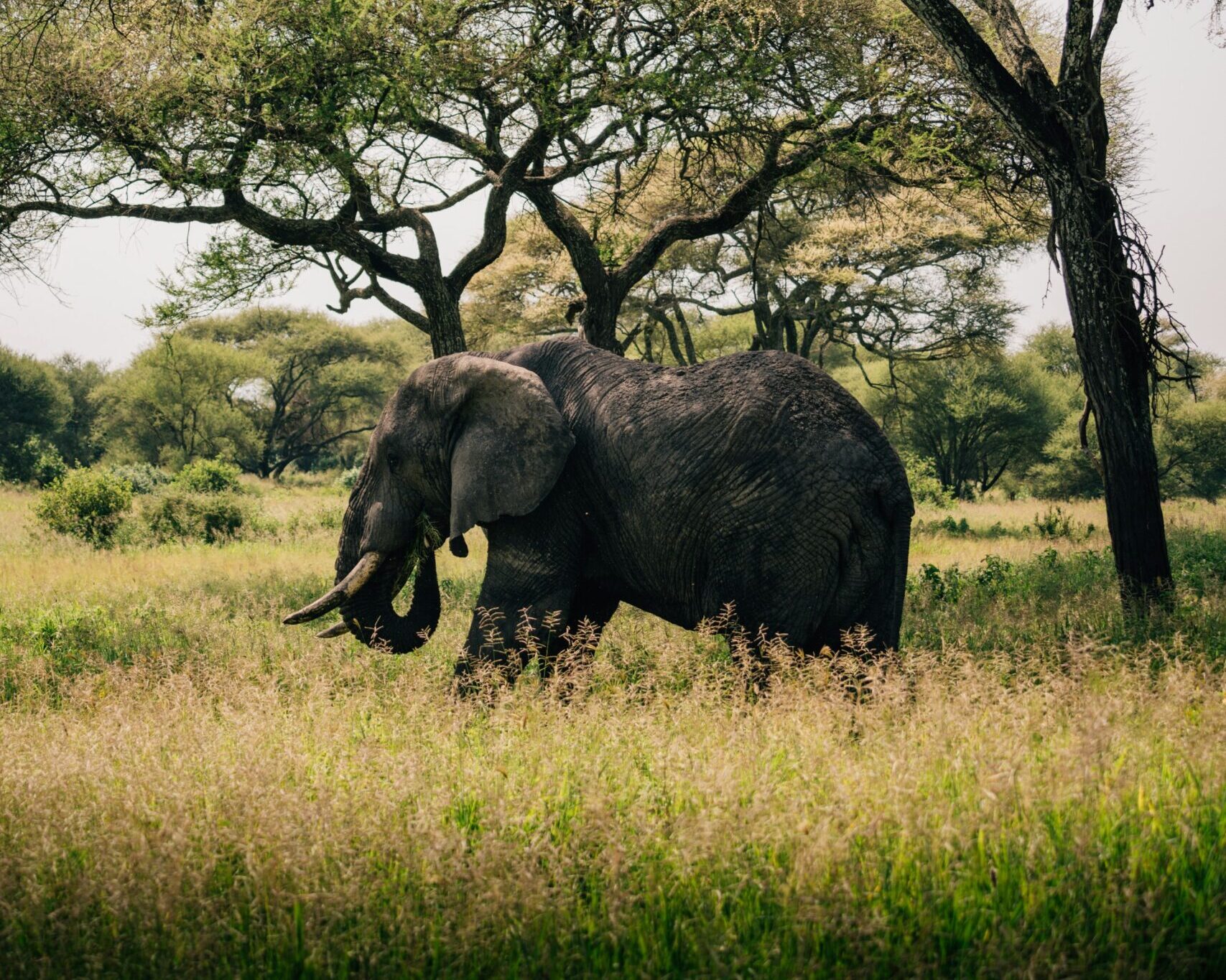
If an elephant spreads its ears and raises its trunk, it might feel threatened. A calm elephant usually swings its trunk slowly and continues feeding.
Lions
When lions suddenly stop resting and begin staring in one direction, they may have spotted potential prey.
Buffalo
Buffalo herds can become defensive when they sense danger. Tanzania safari guides carefully watch their behavior to keep guests safe.
In places like Tarangire National Park, where large elephant and buffalo herds are common, reading these signals is extremely important.
Spotting Camouflaged Animals
Some of the most fascinating animals in Tanzania are masters of camouflage.
Leopards, for example, blend perfectly into tree branches or tall grass. A tourist might look directly at a tree without noticing a leopard resting above.
Similarly:
-
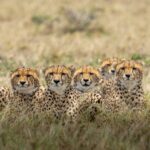
Cheetahs may lie low in the grass
-
Serval cats hide in tall vegetation
-
Small antelope like dik-diks blend into bushy areas
An experienced guide scans the environment constantly, searching for unusual shapes, movements, or colors.
Recognizing the Signs of a Recent Kill
Sometimes Tanzania safari guides discover predator activity by observing subtle clues.
For instance:
-
A group of vultures gathering on the ground
-
Hyenas moving in one direction
-
Nervous herbivores staring toward a specific area
In the open plains of Serengeti National Park, these clues often lead guides to dramatic wildlife moments such as lion hunts or leopard kills.
Watching the Ecosystem, Not Just the Animals
Safari guides don’t only focus on animals—they also understand the entire ecosystem.
They observe:
-
Grass conditions and grazing patterns
-
Seasonal river levels
-
Migration movements of herbivores
-
Predator territories
These factors influence where animals will appear during different seasons.
For example, during the dry season many animals gather near water sources, especially in Tarangire National Park where the Tarangire River becomes a vital lifeline for wildlife.
Tanzania Safari Guide Tracking the Great Migration
One of the most spectacular wildlife events on Earth is the Great Migration in Serengeti National Park.
Over two million wildebeest, zebras, and gazelles move across the Serengeti ecosystem searching for fresh grass.
Guides follow the migration by studying:
-
Rainfall patterns
-
Grass growth
-
Herd movement from previous days
-
Predator activity around the herds
Their knowledge helps visitors witness incredible scenes such as river crossings or massive grazing herds.
Why a Skilled Tanznaia Safari Guide Makes a Huge Difference
Two safari vehicles can drive through the same area but have completely different wildlife sightings. The difference often comes down to the experience and knowledge of the guide.
A great Tanzania safari guide can:
-
Locate animals more quickly
-
Explain fascinating wildlife behavior
-
Interpret the environment
-
Ensure safety during encounters
This knowledge transforms a simple game drive into a deeper understanding of Africa’s wildlife.
A safari in Tanzania is not just about seeing animals—it’s about understanding the incredible ecosystem that supports them. From reading footprints in the dust to interpreting bird calls, safari guides reveal the hidden stories of the wild.
When exploring destinations like Serengeti National Park, Ngorongoro Crater, and Tarangire National Park, these skills allow travelers to experience wildlife in a much deeper and more meaningful way.
The next time you go on safari, remember that every sound, track, and movement in the wilderness tells a story—if you know how to read it.