Ngorongoro Crater Safari: Everything You Need to Know Before You Go
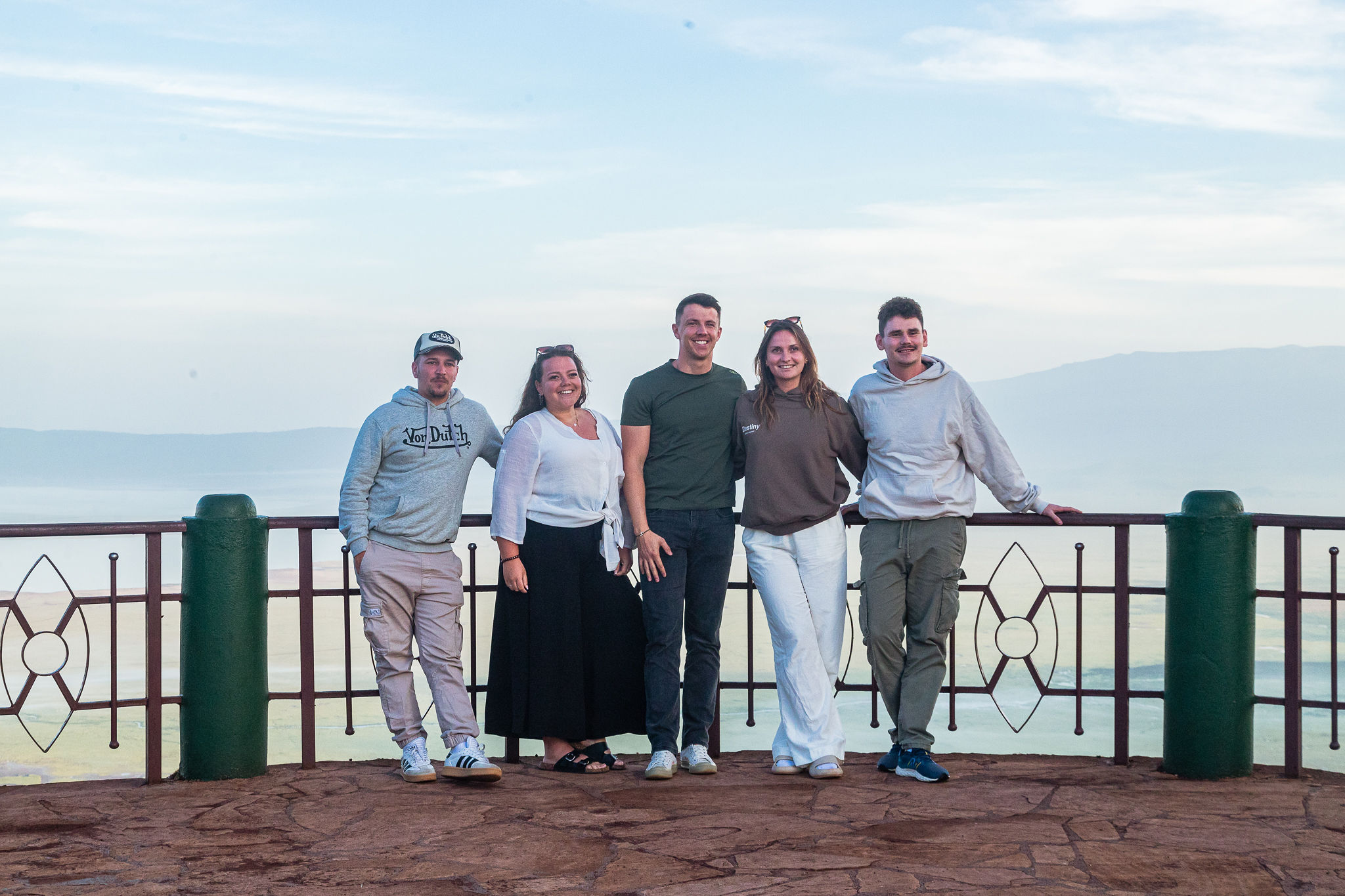
Standing on the rim of the Ngorongoro Crater for the first time is one of those rare moments in life when you truly struggle to find words adequate to the experience. Below you — almost impossibly far below — the crater floor stretches out like a living map, shimmering with the movement of countless animals. Lions rest in the morning sun. Elephants wade through the swamp. Zebra and wildebeest carpet the short-grass plains like a living mosaic of black and white. And somewhere in the acacia thickets, if you are very lucky, the ancient, armoured shape of a black rhinoceros moves slowly through the shadows. This is the Ngorongoro Crater: Africa’s greatest natural amphitheatre, and one of the most extraordinary wildlife destinations on Earth.
What is the Ngorongoro Crater?
The Ngorongoro Crater is the world’s largest intact volcanic caldera — a massive ancient volcano that collapsed inward approximately two to three million years ago, forming a perfectly circular bowl approximately 19 kilometres wide and 600 metres deep. The crater walls rise steeply on all sides, creating a natural enclosure that retains its own microclimate, its own ecosystem, and its own exceptional wildlife community.
The crater floor covers 260 square kilometres of diverse habitats including short-grass savannah, freshwater springs, acacia woodland, and the shallow soda lake known as Lake Magadi. Together, these habitats support one of the highest densities of wildlife anywhere in Africa, with the crater floor home to approximately 25,000 large animals at any given time.
Wildlife of the Ngorongoro Crater
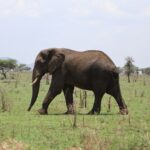
Ngorongoro Crater is one of the best places in Tanzania to see the famous ‘Big Five’ — lion, leopard, elephant, buffalo, and rhino — in a single game drive. Lion prides are numerous and highly visible on the short-grass plains. Massive buffalo herds move through the crater in slow, dark waves. Elephants — mostly large old bulls with magnificent long tusks — walk with unhurried authority through the acacia woodland. Spotted hyenas are extraordinarily abundant; in fact, Ngorongoro has one of the densest hyena populations in Africa, and hyena clans are fascinating to watch in their complex social interactions.
But the undisputed star of Ngorongoro is the black rhinoceros. Critically endangered across Africa — with only around 6,000 remaining in the wild — the black rhino has found a precious sanctuary within the crater, where a carefully protected population of around 30 individuals survives. Sightings are never guaranteed, but Ngorongoro offers better black rhino sighting odds than almost anywhere else in Tanzania.
Descending into the Crater — What to Expect
All vehicles descending into the Ngorongoro Crater must be four-wheel-drive, and only a limited number of vehicles are permitted on the crater floor at any one time — a measure designed to protect the ecosystem and ensure a quality experience for visitors. Your driver-guide will handle all permits and logistics; all you need to do is sit back and prepare to be amazed.
The descent road is steep, winding, and dramatic. As your vehicle winds slowly downward, you will feel the temperature drop and may see mist swirling through the eucalyptus and podocarpus forest that clings to the upper crater walls. The drive from the rim to the crater floor takes approximately 20 to 30 minutes. Once on the floor, game drives typically last five to seven hours, with a lunch break at one of the designated picnic sites beside a hippo pool.
The Best Lodges and Camps at Ngorongoro
Accommodation at Ngorongoro ranges from basic public campsites to extraordinarily luxurious lodges perched on the crater rim. The rim lodges offer some of the most dramatic views of any hotel anywhere in the world — waking up to see the entire crater spread out thousands of feet below your window is a once-in-a-lifetime experience.
For mid-range travellers, several comfortable lodges on the rim offer reliable service, good food, and superb crater views at reasonable prices. Budget travellers can use the public campsites on the rim, which are basic but offer the extraordinary experience of sleeping on the edge of the ancient crater, listening to the sounds of wildlife echoing up from the floor below.
Practical Tips for Your Ngorongoro Visit
Book your Ngorongoro crater visit well in advance, especially during peak season (July to October). The crater can only accommodate a limited number of vehicles at once, and permits sell out quickly during busy periods. Dress in warm layers — the crater rim sits at approximately 2,400 metres altitude and can be surprisingly cold, especially early in the morning and in the evening. Carry your own water and snacks for the game drive, and do not feed any animals at the picnic sites — baboons in particular are bold and opportunistic. And bring the best binoculars and camera you can — you will want to capture every extraordinary detail of this magnificent place.
Ngorongoro Crater is, in the opinion of many experienced safari travellers, the single most extraordinary wildlife destination on Earth. Nowhere else does such a concentration of animals, such dramatic scenery, and such a sense of being in a truly ancient and primordial landscape come together in one place. Whether it is your first safari or your twentieth, Ngorongoro will take your breath away. It always does.