
Serengeti National Park: Endless Plains – Endless Wonder
- Home
- Serengeti National Park: Endless Plains – Endless Wonder
Request a Quote
Explore the Heart of Africa’s Wild
Book Your Dream Safari Today
Unforgettable wildlife moments are just a click away.
Discover the Heart of Africa’s Greatest Wilderness
Serengeti National Park Safari is one of the most extraordinary wildlife experiences in the world. Located in northern Tanzania, Serengeti National Park is famous for its endless plains, abundant wildlife, and the spectacular Great Migration. Visitors can witness millions of wildebeest and zebras crossing the savannah, alongside predators like lions, cheetahs, and leopards, making it a must-visit destination for any safari lover.
There are places in the world that change you. The Serengeti is one of them. Stretching across 14,750 square kilometers of untamed Tanzania, this ancient ecosystem has remained largely unchanged for millions of years — a living, breathing testament to nature at its most raw and magnificent. Whether you’re watching a golden sunrise flood the plains, witnessing the thunderous Great Migration, or locking eyes with a lion at close range, the Serengeti doesn’t just meet expectations — it shatters them.
At Serengeti Wander Tours, we believe the Serengeti is not just a destination. It’s an experience that stays with you long after you’ve left.
Why the Serengeti?
The Serengeti is widely regarded as the world’s premier safari destination — and for good reason. It is home to the largest concentration of wildlife on Earth, a UNESCO World Heritage Site, and the stage for the Great Migration, one of the most spectacular natural events our planet has ever witnessed. From the iconic acacia-dotted savannahs of the Central Serengeti to the dramatic river crossings of the Grumeti and Mara Rivers, every corner of this landscape tells a different story.
This is the place where the Big Five roam freely. Where cheetahs sprint at 110 kilometers per hour. Where elephant herds move silently at dusk. Where the night sky, unburdened by city lights, reveals the full depth of the Milky Way above you.
The Great Migration — Nature’s Greatest Show on Earth
No wildlife event on the planet compares to the Great Migration. Every year, over 1.5 million wildebeest, 400,000 zebras, and hundreds of thousands of gazelles make a circular journey across the Serengeti-Mara ecosystem in search of fresh grasslands and water. It is driven by instinct, shaped by rainfall, and defined by moments of breathtaking drama — particularly at the famous river crossings, where crocodiles lie in wait and the thundering hooves of thousands of animals shake the ground beneath your feet.
The Migration is a year-round event, and knowing when and where to be is the difference between a good safari and an unforgettable one. Our expert guides and seasonal itineraries are designed to place you exactly where the action is, at exactly the right time.
Migration Calendar at a Glance:
- December to March — Calving season in the Southern Serengeti (Ndutu region). Thousands of wildebeest calves are born, attracting lions, cheetahs, and hyenas.
- April to May — The herds move northwest through the Western Corridor as the long rains arrive.
- June to July — Dramatic Grumeti River crossings begin in the Western Corridor.
- August to October — The iconic Mara River crossings in the Northern Serengeti. This is peak drama season.
- November — The herds begin their return journey south as the short rains fall.
Wildlife Beyond the Migration
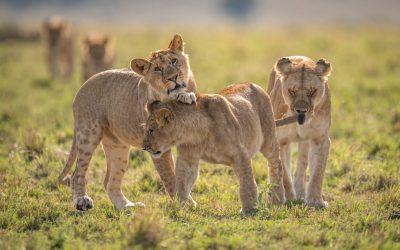
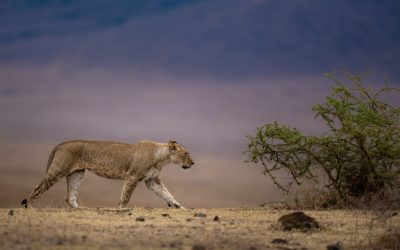
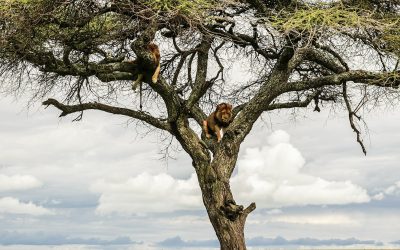
The Serengeti is extraordinary even without the Migration in view. Year-round, this ecosystem supports one of the densest populations of predators on Earth. Lion prides rule the kopjes — those ancient, weathered rock outcroppings that rise dramatically from the plains. Leopards drape themselves across acacia branches in the Seronera Valley. Elephants gather at watering holes in the dry season. Hippos bask in the Retina Hippo Pool. Wild dogs, rarely seen elsewhere in Africa, occasionally make an appearance. And over 500 species of birds fill the air with color and sound, making the Serengeti a world-class birding destination as well.
Whether you’re a first-time safari traveler or a seasoned wildlife enthusiast, the Serengeti always has something new to show you.
The Serengeti’s Distinct Regions
The Serengeti is not one landscape but many. Each region has its own character, its own wildlife patterns, and its own magic.
The Central Serengeti (Seronera Valley) is the most wildlife-rich area year-round and is ideal for first-time visitors. It offers reliable big cat sightings, abundant birdlife, and excellent infrastructure.
The Southern Serengeti and Ndutu transforms between December and March into the calving grounds of the Great Migration — one of the most emotionally powerful wildlife experiences available anywhere.
The Western Corridor is the gateway to dramatic Grumeti River crossings and offers a more remote, less-visited safari experience between June and July.
The Northern Serengeti (Lobo and Kogatende) is arguably the most dramatic region of all, home to the legendary Mara River crossings from August to October. This area rewards those willing to travel further with some of the most extraordinary wildlife viewing in the world.
The Ngorongoro Crater and Serengeti border areas blend seamlessly into the greater ecosystem, offering complementary landscapes and wildlife that can be combined with your Serengeti safari for a complete Tanzania experience.
Best Time to Visit the Serengeti
The Serengeti is a year-round destination, and each season brings something remarkable. The dry season, from June through October, is widely considered the best time for general game viewing as animals gather around water sources and vegetation thins, making wildlife easier to spot. This is also the season for the dramatic Mara River crossings in the north.
The wet season, from November through May, brings lush green landscapes, newborn wildlife, excellent birdwatching, and fewer visitors — making it a wonderful time for those seeking a quieter, more intimate safari experience. The calving season in the south between January and March is one of nature’s most moving spectacles and is often rated by returning visitors as the highlight of their safari journeys.
How to Get to the Serengeti
The most common entry point is Kilimanjaro International Airport (JRO) near Arusha, Tanzania, or Julius Nyerere International Airport (DAR) in Dar es Salaam. From Arusha — the safari capital of East Africa — the Serengeti is accessible by road (typically 7–8 hours through the Ngorongoro Crater area) or by light aircraft, which offers a scenic and time-efficient alternative. Several bush airstrips serve the Serengeti, including Seronera, Kogatende, Grumeti, and Ndutu, with daily scheduled flights available.
We handle all logistics end-to-end, so you arrive in the Serengeti relaxed and ready for adventure.
Accommodation in the Serengeti
From intimate tented camps that place you directly in the heart of the wilderness to exclusive lodges with infinity pools overlooking the endless plains, the Serengeti offers accommodation to suit every style of traveler. We work with a carefully curated selection of properties — from mobile migration camps that follow the wildebeest throughout the year to permanent lodges with world-class cuisine and spa facilities. Whatever your preference, we ensure your base camp is as memorable as the landscape around it.
Our Serengeti Safari Experiences
We design every Serengeti safari around you. Whether you’re looking for a classic game drive experience, a more specialized wildlife photography safari, a family adventure, a honeymoon escape, or a private fly-in expedition, Serengeti Wander Tours has the expertise and local knowledge to make it extraordinary.
Every tour is guided by certified, experienced naturalist guides who are passionate about sharing their knowledge and ensuring your safety. Small group sizes guarantee a personal experience. And our deep relationships with the Serengeti ecosystem — and the communities that call it home — mean you travel with purpose as well as wonder.
Conservation and Responsible Tourism
The Serengeti’s survival depends on responsible stewardship. At Serengeti Wander Tours, we are committed to low-impact tourism practices that respect wildlife, support local communities, and contribute to the long-term protection of this irreplaceable ecosystem. A portion of every booking goes directly toward conservation initiatives and community programs in and around the Serengeti. When you travel with us, you’re not just a visitor — you’re a partner in preservation.
Ready to Experience the Serengeti?
The plains are calling. The wildebeest are moving. The lions are watching the horizon.
Your Serengeti adventure begins with a single conversation. Contact our team today to start planning a safari that will stay with you for the rest of your life.
Explore our Serengeti safari packages or reach out directly — we’d love to help you find your perfect journey into Africa’s greatest wilderness.
Serengeti Wander Tours | Based in Arusha, Tanzania | www.serengetiwandertours.com
Frequently Asked Questions — Serengeti National Park
How many days do I need in the Serengeti? We recommend a minimum of three to four days for a meaningful Serengeti experience, though five to seven days allows you to explore multiple regions and truly settle into the rhythm of the bush. Longer stays dramatically increase the depth and variety of wildlife encounters.
Is the Serengeti safe to visit? Yes. The Serengeti is a well-managed national park with established safari routes and professional guide services. Our guides are trained in wildlife safety, and all vehicles are equipped with communication devices and first aid supplies.
Can I visit the Serengeti with children? Absolutely. The Serengeti is a wonderful family destination. We offer family-friendly itineraries with guides experienced in making safari engaging and educational for younger travelers. Most lodges and camps welcome children.
What should I pack for a Serengeti safari? Neutral-colored lightweight clothing, a good pair of binoculars, sunscreen, a hat, and your camera with a telephoto lens are the essentials. We provide a full packing guide upon booking.
Do I need a visa or vaccinations? Most nationalities require a visa to enter Tanzania, which can be obtained in advance online. A yellow fever vaccination certificate may be required depending on your country of origin. We provide full pre-departure guidance to all our guests.
What currency is used in Tanzania? The Tanzanian Shilling (TZS) is the local currency. US dollars are widely accepted in the tourism industry. We recommend carrying small denominations of US dollars for tips and minor purchases.
Photo Gallery:
Find Inspiration for
Your Next Tanzania Safari
Explore a range of private and group safari packages tailored to families, couples, and adventurers seeking unforgettable wildlife encounters.
- From: $2105 / person
- From: $2100 / person
- From: $2100 / person
- From: $4105 / person
- From: $5335 / person
- From: $4105 / person
- From: $3250 / person
- From: $2720 / person