The Meaning of Ngorongoro: Culture, Language, and History Behind Tanzania’s Iconic Landscape
Few places in Africa capture the imagination of travelers like the Ngorongoro Crater. Known for its breathtaking scenery and extraordinary wildlife density, this remarkable destination attracts thousands of visitors each year who come to witness lions, elephants, rhinos, and vast herds of grazing animals in one of the most unique ecosystems on Earth.
However, beyond its reputation as a world-class safari destination, Ngorongoro carries a deeper story rooted in culture, language, and history. The meaning of the name “Ngorongoro” is closely connected to the traditions of the Maasai people, whose presence in the region stretches back generations. Understanding this cultural origin reveals that Ngorongoro is not only a natural wonder but also a living cultural landscape shaped by human heritage.
What Is the Meaning of Ngorongoro?
The word Ngorongoro is widely believed to originate from the Maasai language, Maa. According to cultural interpretations, the name evolved from the Maasai word “Engorkor.” This term refers to the sound of a bell tied to the neck of a lead cow within a Maasai cattle herd.
For the Maasai, cattle are central to daily life, identity, and survival. As herds moved across the highland plains surrounding the crater, the bell attached to the lead cow would produce a rhythmic sound that echoed across the hills. Locals often describe this sound as “ngor… ngor…”, which gradually became associated with the area.
Over time, early explorers and visitors adapted the pronunciation of the Maa word into the name that is widely recognized today: Ngorongoro.
This transformation reflects the natural evolution of language when different cultures interact. What began as a descriptive sound in the Maasai pastoral tradition eventually became the official name of one of Africa’s most celebrated landscapes.
The Role of Maasai Culture in Shaping the Landscape
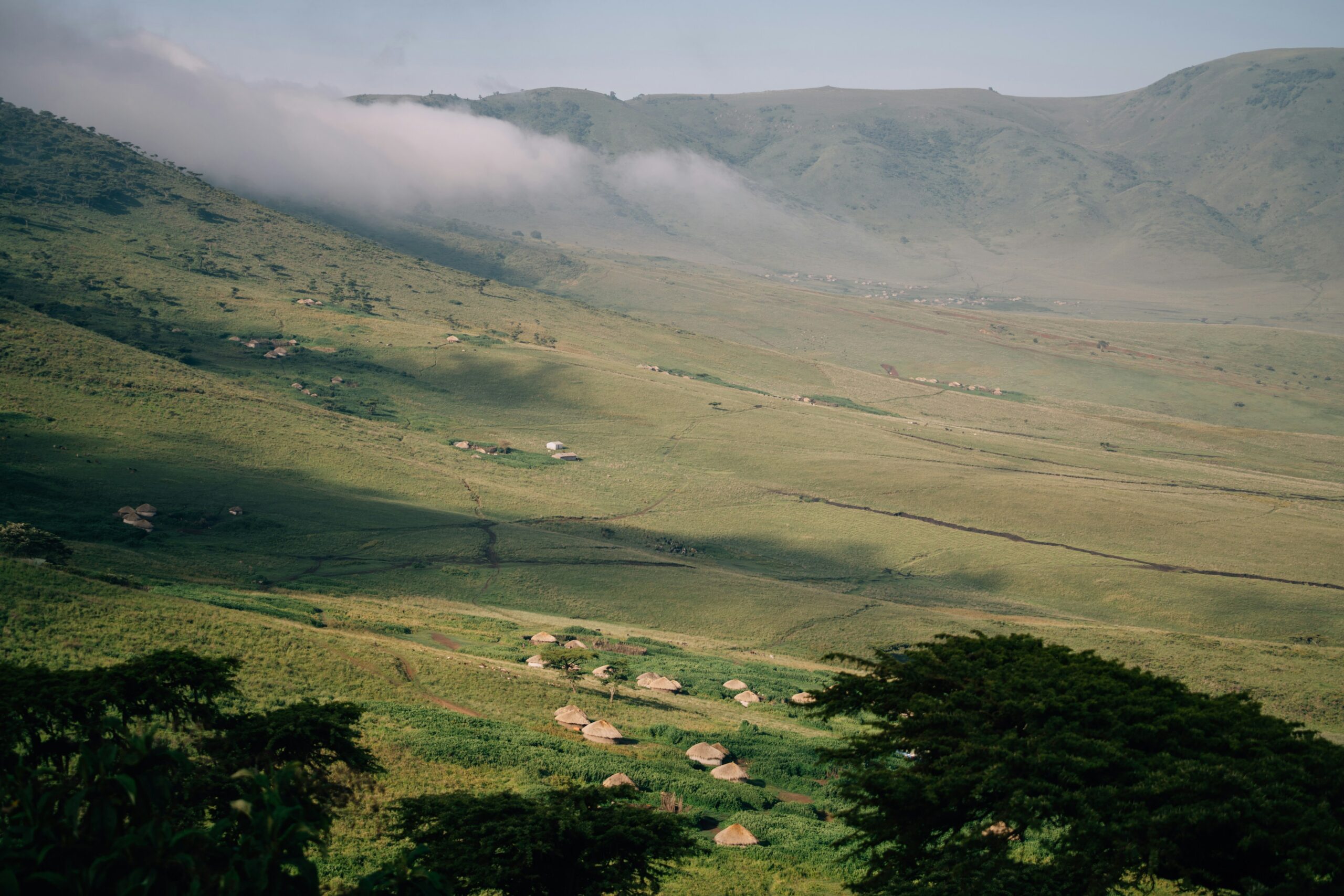
To fully appreciate Ngorongoro’s meaning, it is essential to understand the cultural worldview of the Maasai people. The Maasai are a semi-nomadic pastoralist community living across northern Tanzania and southern Kenya. Their lives revolve around cattle herding, seasonal movement, and deep spiritual connections with the land.
Unlike many other regions where human settlement replaced wildlife habitats, the Maasai historically lived alongside wild animals. Their pastoral lifestyle allowed wildlife populations to thrive while maintaining a sustainable balance between humans, livestock, and nature.
Today, this relationship between people and wildlife continues within the Ngorongoro Conservation Area Authority, a unique conservation model where wildlife protection and traditional Maasai grazing coexist within the same protected landscape.
The Ngorongoro Landscape: More Than a Wildlife Destination
The Ngorongoro region forms part of the larger Serengeti ecosystem, one of the most important wildlife ecosystems in the world. The famous Ngorongoro Crater itself was formed millions of years ago when a massive volcanic mountain collapsed inward, creating a vast caldera measuring roughly 20 kilometers across.
Today, the crater floor hosts an extraordinary concentration of wildlife, including:
- Lions
- Elephants
- Buffalo
- Zebras
- Wildebeest
- Flamingos
- The rare black rhinoceros
Because animals rarely migrate out of the crater, visitors often describe the area as a natural wildlife sanctuary where sightings are frequent and diverse.
Yet for the Maasai people, this landscape is far more than a wildlife destination. It is a homeland rich with stories, cultural meanings, and traditional place names that describe everyday life.
Local Place Names and Their Cultural Meaning
The Maasai have long used descriptive language to name locations across the Ngorongoro highlands. These names often reflect natural features, cultural symbols, or elements of daily life.
One example frequently mentioned by local communities is Engitat Hill. The Maa word “Engitat” has been interpreted as referring to a belt worn by a pregnant woman to support her stomach. This comparison reflects how the shape of the hill resembles the curve of such a belt.
Another landmark in the region is an area sometimes referred to as Round Table Hill, a name given by early European visitors who compared the shape of the hilltop to a large circular table.
These naming traditions illustrate how landscapes are interpreted through the lens of culture and experience. For the Maasai, geographic features often carry meanings tied to family life, livestock, or daily survival.
Ngorongoro as a Living Cultural Landscape
The Ngorongoro Conservation Area is recognized globally not only for its wildlife but also for its cultural importance. UNESCO designated the area a World Heritage Site because it represents a rare example of a place where human culture and natural ecosystems exist together.
Within the conservation area, Maasai communities continue to:
- Herd cattle across traditional grazing lands
- Maintain cultural traditions and ceremonies
- Live in traditional bomas (circular homesteads)
- Pass oral history and language to younger generations
This coexistence of wildlife and pastoral culture makes Ngorongoro one of the few protected areas in Africa where conservation and human heritage are intentionally integrated.
Why the Meaning of Ngorongoro Is Important in Tanzania’s Cultural History
For many safari visitors, the journey to Ngorongoro begins as a wildlife adventure. Travelers often arrive hoping to see the famous Big Five animals within the dramatic crater setting.
However, learning about the cultural background of the region transforms the experience into something much deeper. Instead of seeing Ngorongoro only as a tourist attraction, visitors begin to understand it as a place shaped by generations of Maasai knowledge and tradition.
This perspective encourages more responsible and respectful travel, reminding visitors that national parks and conservation areas are not empty landscapes but living cultural environments.
Ngorongoro in the Context of Tanzania’s Safari Circuit
Ngorongoro is typically visited as part of Tanzania’s renowned Northern Safari Circuit, which also includes destinations such as Serengeti National Park, Tarangire National Park, and Lake Manyara National Park.
These parks together form one of Africa’s most spectacular wildlife routes, offering travelers opportunities to witness:
- The Great Wildebeest Migration
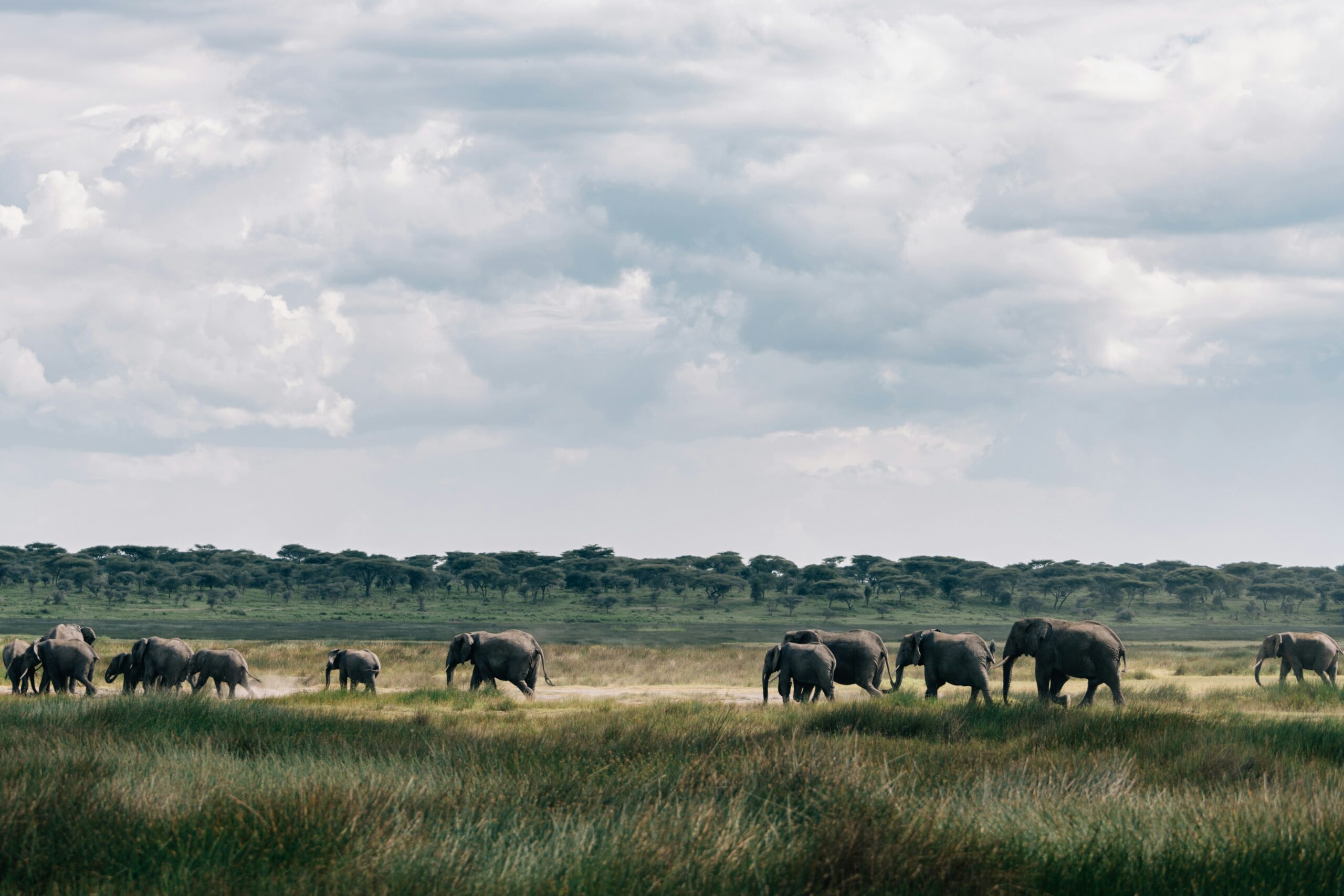
- Large elephant herds
- Diverse birdlife
- Stunning landscapes from savannah plains to volcanic craters
Yet among all these destinations, Ngorongoro stands out because it combines natural beauty with deep cultural history.
A Place Where Nature and Culture Meet
The story behind the name Ngorongoro reminds us that travel is not only about visiting places but also about understanding their origins. Language, culture, and geography often intertwine in ways that reveal how communities interpret the landscapes around them.
In Ngorongoro, the echo of a simple cowbell from Maasai cattle herds may have given birth to a name that is now recognized around the world.
This powerful connection between sound, culture, and place shows how everyday moments in traditional life can shape the identity of entire regions.
The meaning of Ngorongoro is more than a linguistic curiosity. It represents the intersection of Maasai heritage, natural history, and conservation in one of Africa’s most extraordinary environments.
For travelers exploring Tanzania, understanding the cultural roots of places like Ngorongoro adds a richer dimension to the safari experience. It transforms a wildlife visit into a journey through history, language, and human tradition.
In the end, Ngorongoro is not only a crater filled with wildlife it is a symbol of how nature and culture can coexist in harmony, telling stories that stretch far beyond the landscapes themselves. 🌍