Maasai Culture Tanzania: A Complete Guide to Visiting Maasai Villages Respectfully
Experiencing Maasai culture in Tanzania is one of the most meaningful highlights of any safari journey. Beyond the wildlife and landscapes, Tanzania offers a deep cultural connection through its indigenous communities, and none are more iconic than the Maasai people.
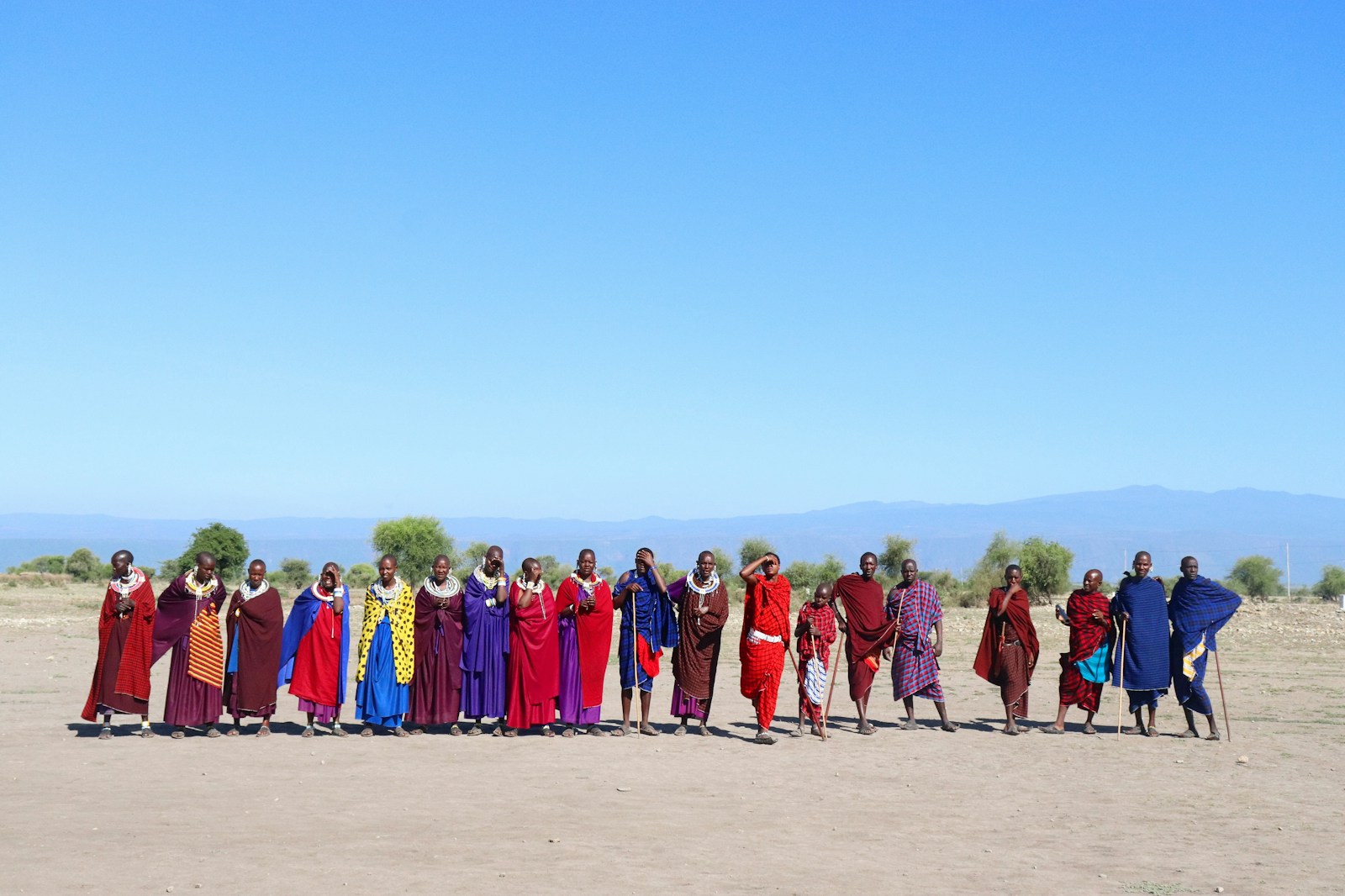
Known for their striking red attire, intricate beadwork, and strong cultural identity, the Maasai have preserved their traditions for generations. Visiting a Maasai village is not just a tourist activity it is an opportunity to learn, connect, and understand a way of life that has remained closely tied to nature and tradition.
Maasai Culture Tanzania: Who Are the Maasai People?
The Maasai are a semi-nomadic pastoralist community living across northern Tanzania and southern Kenya. They are widely recognized as one of Africa’s most distinctive and culturally rich ethnic groups.
Their lifestyle revolves around cattle, which hold deep cultural and economic importance. Cattle are not only a source of food but also a symbol of wealth, status, and identity within Maasai society.
The Maasai have successfully maintained their traditional way of life despite modern influences. Their lands overlap with major wildlife areas such as the Ngorongoro Conservation Area and the Serengeti National Park, where they have coexisted with wildlife for centuries.
Maasai Culture Tanzania: Traditions and Social Structure
Maasai society is organized into age groups that define roles and responsibilities within the community. Young boys grow into warriors, known as Moran, through traditional rites of passage.
These warriors are responsible for protecting livestock and the community. They are known for their strength, discipline, and distinctive appearance, often wearing traditional clothing and carrying spears.
One of the most recognizable Maasai traditions is the Adumu dance, also known as the jumping dance. During this ceremony, young warriors compete to jump as high as possible, demonstrating strength and attracting admiration within the community.
As individuals grow older, they transition into elder roles, where they take on leadership responsibilities and guide community decisions.
Women also play a vital role in Maasai society. They are responsible for building homes, raising children, and creating beautiful beadwork that reflects the community’s identity.
Maasai Culture Tanzania: Meaning of Beadwork
Maasai beadwork is one of the most visually striking aspects of their culture. However, these intricate designs are more than decorative—they carry deep cultural meaning.
Each color used in Maasai jewelry represents a specific aspect of life:
- Red symbolizes bravery and unity
- Blue represents the sky and rain
- White stands for purity and health
- Green reflects the land and nourishment
- Black signifies resilience and challenges
When you purchase Maasai beadwork directly from artisans, you are not just buying a souvenir—you are supporting local communities and preserving cultural heritage.
Maasai Culture Tanzania: Visiting Maasai Villages Respectfully
A visit to a Maasai village can be one of the most enriching parts of a Tanzania safari. However, it is important to approach this experience with respect and cultural awareness.
Always visit Maasai communities through a trusted tour operator who works directly with the local community. This ensures that your visit is organized ethically and benefits the people you are visiting.
Before taking photographs, always ask for permission. While many Maasai are happy to share their culture, respecting personal boundaries is essential. Engaging politely, listening carefully, and showing genuine curiosity helps create a positive and meaningful interaction.
Supporting the community through approved contributions or purchasing handmade crafts is also encouraged, as it provides direct economic benefits to the people.
Cultural Experiences During Your Visit
During a Maasai village visit, travelers can expect to participate in a variety of cultural activities. These may include:
- Traditional welcome ceremonies
- The famous Maasai jumping dance
- Learning about traditional homes (manyattas)
- Understanding cattle herding practices
- Interacting with community members
These experiences offer insight into daily life and provide a deeper appreciation of Maasai traditions.
Maasai Culture Tanzania: Cultural Experiences for Travelers
Maasai culture plays a significant role in Tanzania’s identity and tourism experience. It represents a connection between people, wildlife, and the environment that has existed for generations.
The Maasai have long lived in harmony with nature, sharing land with wild animals while maintaining their traditions. This coexistence highlights the importance of sustainable living and respect for natural ecosystems.
For travelers, learning about Maasai culture adds depth to the safari experience, transforming it from a wildlife journey into a cultural exploration.
Conclusion
Exploring Maasai culture in Tanzania is an experience that goes far beyond sightseeing. It is a chance to connect with a community that has preserved its traditions, values, and way of life for centuries.
By visiting respectfully and supporting local communities, travelers can ensure that their experience is both meaningful and beneficial. From vibrant beadwork to powerful traditions, Maasai culture offers a unique perspective on life in harmony with nature.
A safari in Tanzania is not complete without this cultural encounter one that leaves lasting memories and a deeper understanding of the world.