The Great Wildebeest Migration: When, Where, and How to See Africa’s Greatest Wildlife Spectacle
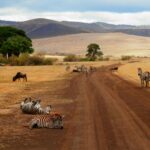
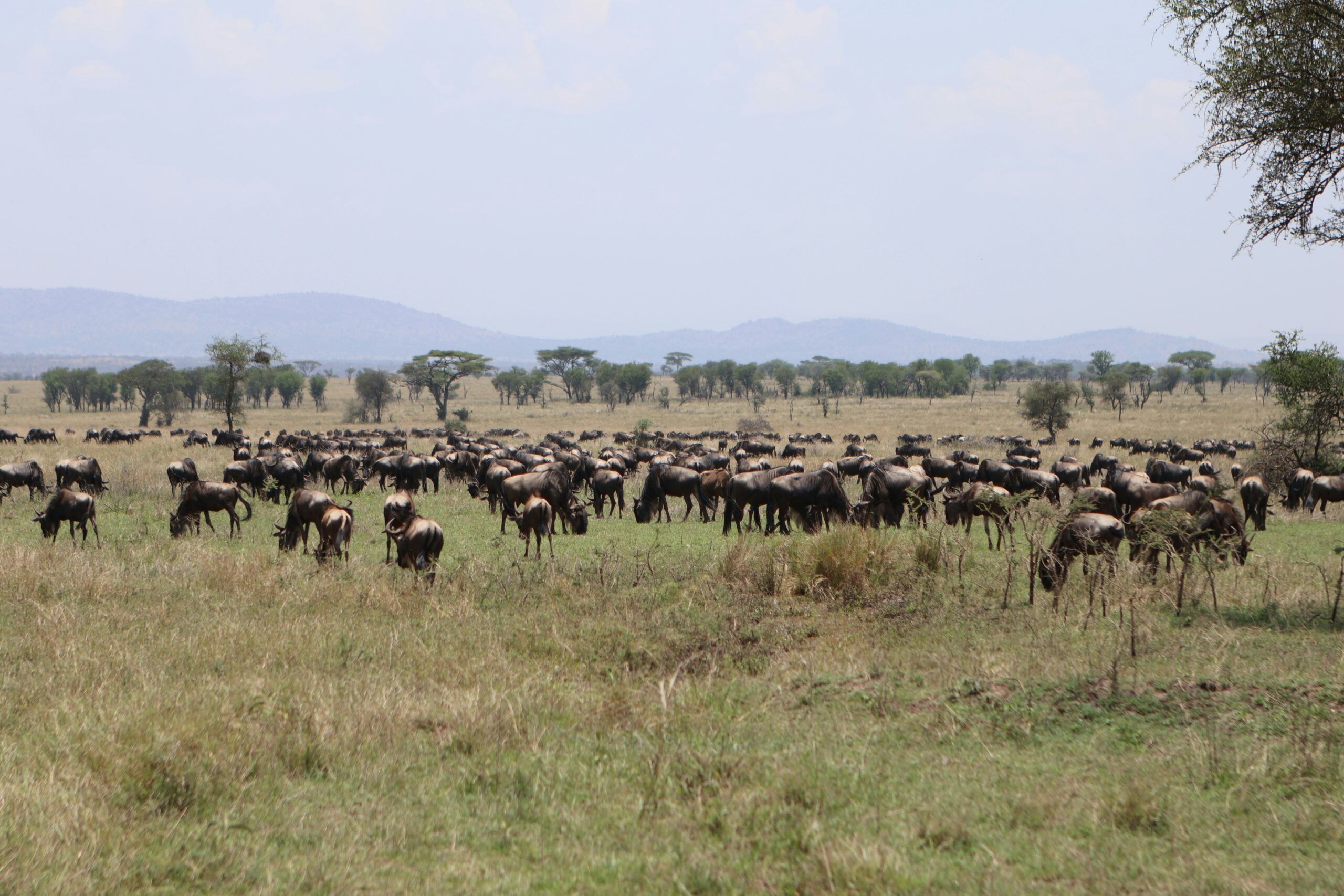
Few wildlife events on Earth compare to the breathtaking spectacle known as the Great Wildebeest Migration. Across the vast plains of East Africa, more than 1.5 million wildebeest, accompanied by hundreds of thousands of zebras and gazelles, travel in an endless cycle across the Serengeti ecosystem.
This incredible natural event is widely regarded as the greatest wildlife show on Earth. Watching thousands of animals thunder across the plains, dust rising beneath their hooves, is an unforgettable moment that stays with travelers for the rest of their lives.
If you are planning an African safari, understanding the migration’s movements is essential. This guide explains when and where to see the migration, how it works, and how to plan the perfect safari experience.
Understanding the Great Wildebeest Migration
The Great Migration is a continuous, year-round journey across the Serengeti-Mara ecosystem, which stretches between northern Tanzania and southern Kenya.
Each year the migration includes approximately:
- 1.5 million wildebeest
- 300,000 zebras
- 500,000 Thomson’s gazelles
These animals move in a large circular route that covers roughly 1,000 kilometers.
Unlike many wildlife events, the migration is not a single moment. Instead, it is a perpetual movement driven by rainfall and grass availability. The animals follow fresh grazing land as seasonal rains move across the plains.
This ancient journey has occurred for thousands of years and remains one of the most important ecological processes in Africa.
Why Animals Participate in the Migration
The migration is primarily driven by survival and food availability.
The Serengeti plains experience seasonal rainfall patterns that create fresh grass in different regions throughout the year. Wildebeest must keep moving to access the most nutritious grazing areas.
Zebras often travel with wildebeest because their different grazing habits complement each other.
- Zebras eat tall grasses first
- Wildebeest follow and graze shorter grasses
This natural partnership helps both species survive during long journeys.
However, the migration also attracts predators.
Predators of the Great Wildbeest Migration
The Great Migration supports one of the largest predator populations in Africa.
Predators include:
- Lions
- Cheetahs
- Leopards
- Hyenas
- Nile crocodiles
These animals rely heavily on the migration as a food source. For safari travelers, this creates dramatic wildlife encounters throughout the year.
The Great Migration Month-by-Month Guide
Understanding where the herds are located during different months helps travelers choose the best time for their safari.
January – February: Calving Season in Southern Serengeti
At the beginning of the year, the herds gather in the southern Serengeti and Ndutu region.
This area has short, nutrient-rich grass that provides ideal conditions for newborn animals.
During calving season, approximately 500,000 baby wildebeest are born within just a few weeks.
Remarkably:
- Calves stand within minutes of birth
- They can run within hours
This rapid development is essential for survival because predators are nearby.
Why Calving Season Is Spectacular for Safaris
Calving season is one of the most exciting times for wildlife viewing.
Predators take advantage of vulnerable young animals, leading to intense predator-prey interactions.
Travelers often see:
- Lions hunting near herds
- Cheetahs stalking calves
- Hyenas competing for kills
Despite the dramatic scenes, calving season is also incredibly beautiful. The landscape is green and full of life after seasonal rains.
March – May: The Green Season Movement
During March, April, and May, the herds begin moving slowly northwest toward the central Serengeti.
This period is known as the green season, when rainfall makes the landscape lush and vibrant.
While river crossings have not yet started, this time offers several advantages:
- Fewer tourists
- Beautiful scenery
- Lower safari prices
Wildlife viewing remains excellent because animals are widely distributed across the plains.
June – July: Grumeti River Crossings
By early summer, the herds reach the western Serengeti corridor, where the Grumeti River forms a major obstacle.
This is the first dramatic crossing of the migration.
Thousands of animals gather near the riverbanks before crossing in chaotic bursts of movement.
The Grumeti River is home to enormous Nile crocodiles, some of which have lived in the river for decades.
These ancient reptiles wait patiently for migrating animals to attempt crossing.
Why the Grumeti Crossings Are Special
While not as famous as the Mara River crossings, the Grumeti crossings can be even more dramatic because:
- The river is narrower
- Large herds gather closely together
- Crocodiles are extremely large
Many experienced safari guides consider this one of the most exciting phases of the migration.
August – October: Mara River Crossings
From August through October, the migration reaches the northern Serengeti near the Mara River.
This is the most famous stage of the migration and appears in countless wildlife documentaries.
The Mara River crossings are unpredictable and thrilling.
When one wildebeest finally jumps into the river, thousands follow in a massive surge.
The scene becomes chaotic:
- Animals splash across the river
- Crocodiles attack from below
- Herds scramble up steep riverbanks
It is one of the most dramatic wildlife moments in the natural world.
November – December: Return to the Southern Plains
As short rains begin in November, fresh grass appears again in the southern Serengeti.
The herds begin their long journey south, completing the annual cycle.
By December, most animals are back in the calving grounds, ready to begin the cycle again.
Best Places to See the Great Migration
The Serengeti ecosystem offers several excellent locations for viewing the migration.
Southern Serengeti & Ndutu
Best for:
- Calving season
- Predator action
- Green landscapes
Central Serengeti
Best for:
- Year-round wildlife
- Large predator populations
- Scenic game drives
Western Serengeti
Best for:
- Grumeti River crossings
- Large herds gathering
Northern Serengeti
Best for:
- Mara River crossings
- Dramatic migration scenes
- Fewer crowds compared to Kenya
How to Plan a Migration Safari
Planning ahead is essential if you want the best migration experience.
Book Early
Many camps near the migration routes fill up six to twelve months in advance, especially during river crossing season.
Choose the Right Camp Location
Staying close to migration routes allows guides to reach wildlife sightings quickly.
Mobile camps that move with the migration are particularly popular.
Work With Experienced Guides
Professional safari guides know where herds are moving and can position vehicles for the best viewing opportunities.
Photography Tips for the Great Migration
The migration offers incredible photography opportunities.
Tips include:
- Use fast shutter speeds for action scenes
- Bring a telephoto lens (300–600mm)
- Shoot during sunrise and sunset for best lighting
River crossings and predator hunts provide especially dramatic moments.
Is the Migration Guaranteed?
Because the migration follows rainfall patterns, its exact timing changes slightly every year.
However, the migration always occurs somewhere in the Serengeti ecosystem.
Experienced guides track the herds daily and position safaris accordingly.
Witnessing the Great Wildebeest Migration is one of the most powerful wildlife experiences on Earth.
Standing in the Serengeti as thousands of animals thunder across the plains is a reminder of nature’s raw beauty and ancient rhythms.
Whether you come for the calving season, the Grumeti crossings, or the legendary Mara River crossings, the migration promises unforgettable memories.
For travelers seeking the ultimate African safari adventure, there is truly nothing like the Great Migration of the Serengeti.