Big Five Safari Tanzania: Where and When to See the Big Five
A Big Five Safari Tanzania experience is the ultimate dream for wildlife lovers. Tanzania’s Northern Circuit offers one of the best opportunities in Africa to see lions, leopards, elephants, buffalo, and black rhinos in their natural habitat. This expert guide explains exactly where and when to see the Big Five in Tanzania for the best safari experience.
The term ‘Big Five’ was originally coined by big-game hunters in the nineteenth and early twentieth centuries to describe the five African animals considered most dangerous and difficult to hunt on foot lion, leopard, African elephant, African buffalo, and black rhinoceros. Today, thankfully, the term has been entirely reclaimed by wildlife conservation and safari tourism, and seeing the Big Five in the wild has become the defining ambition of safari lovers worldwide. Tanzania’s Northern Circuit is one of the very best places on Earth to achieve a Big Five sighting here is your complete expert guide to where and when to find them.
A Big Five Safari Tanzania experience is one of the most sought-after wildlife adventures in Africa…
Big Five Safari Tanzania: Where to See Lions
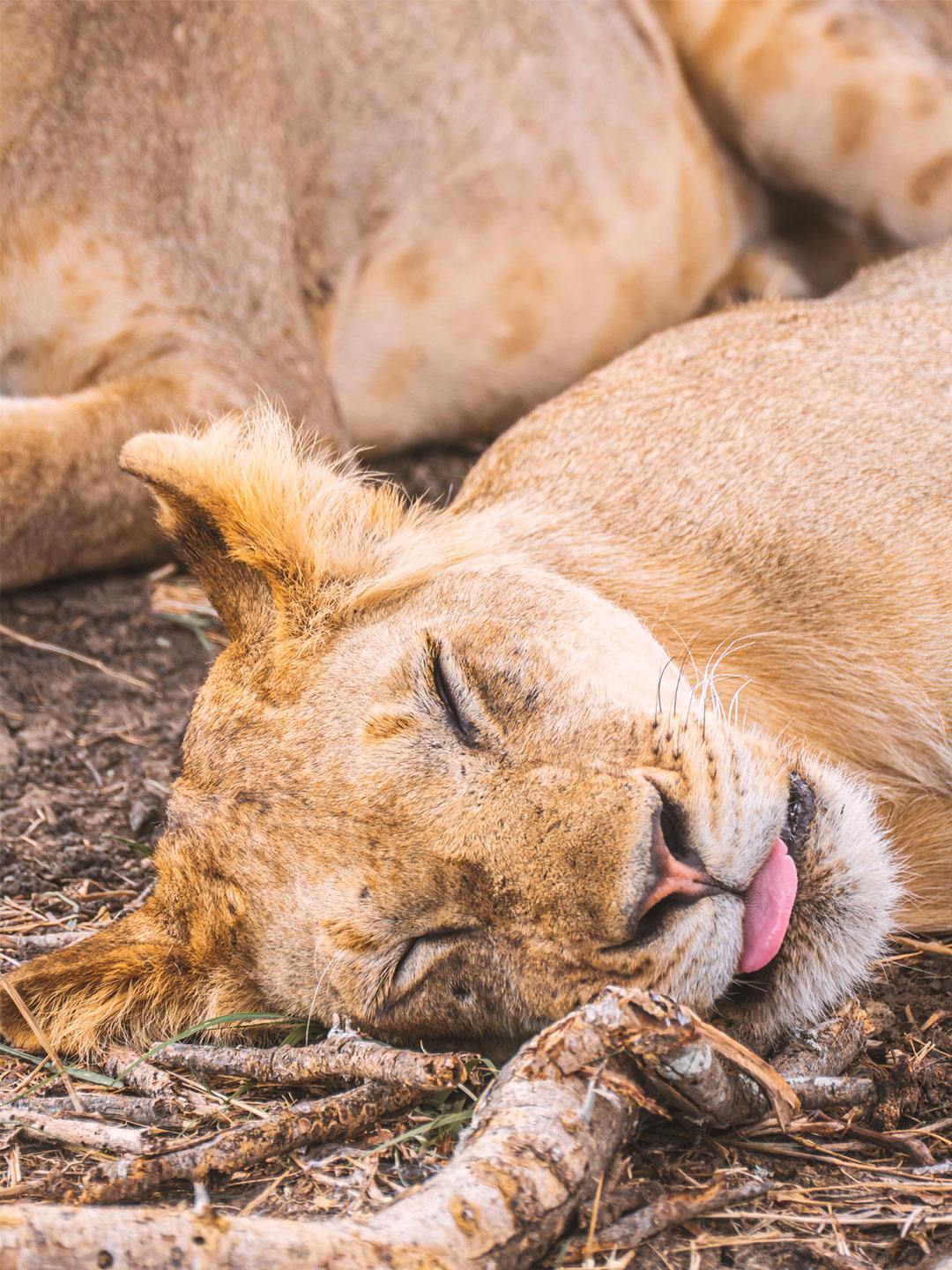
Tanzania has one of the largest lion populations in Africa, with approximately 15,000 individuals representing almost forty percent of all lions remaining on the continent. The Serengeti is the best place in Tanzania to see lions in large numbers, with multiple prides spread across the park’s vast territory. The Seronera Valley in the central Serengeti is particularly reliable for lion sightings throughout the year, as resident prides have established territories in this wildlife-rich area for generations.
Ngorongoro Crater is also excellent for lion sightings, with several resident prides visible on the crater floor. In Tarangire and Lake Manyara, lions are present but sightings require more patience and a knowledgeable guide. The best time for lion sightings throughout the Northern Circuit is during the dry season (June to October) when animals concentrate around water sources and vegetation is low, making the cats easier to spot.
Big Five Safari Tanzania: Finding Leopards
The leopard is the most difficult of the Big Five to see not because it is rare, but because it is supremely secretive, primarily nocturnal, and a master of camouflage. A leopard draped across the branch of a tree in dappled shade can be almost completely invisible to the untrained eye, even from a close distance. This is what makes a leopard sighting so thrilling the combination of effort, patience, expert guidance, and sudden revelation when your driver-guide spots those distinctive rosette-patterned spots hidden in the vegetation.
The Seronera area of the central Serengeti has one of the highest densities of leopards in Africa and is statistically the best place on the Northern Circuit for a sighting. Look in the branches of large sausage trees and fig trees along the riverine areas in the middle of the day. Dawn and dusk game drives give the best chance of seeing leopards actively moving and hunting.
Big Five Safari Tanzania: Best Places for Elephants
Elephant sightings are among the most reliable and most moving of all wildlife encounters on the Northern Circuit. These magnificent animals are present in good numbers in all of the major parks, and close encounters are common particularly in Tarangire, where the dry-season elephant gatherings are unmatched anywhere in Tanzania.
Elephants in Tanzania are generally remarkably relaxed in the presence of safari vehicles and will often approach at very close range, sometimes passing within metres of a stationary vehicle with complete unconcern. This proximity allows for an extraordinary appreciation of these animals their size, their intelligence, their family bonds, and their gentle, patient personalities. The best elephant sightings are typically at Tarangire’s Tarangire River from June to October, in the Ngorongoro Crater throughout the year, and in the northern and central Serengeti during the green season.
Big Five Safari Tanzania: Spotting Buffalo Herds
The African buffalo is often overlooked by first-time visitors who are focused on the more photogenic Big Five members but the buffalo richly deserves its place on the list. A mature bull buffalo, standing almost 1.5 metres at the shoulder and weighing over 800 kilograms, is an immensely powerful and impressive animal. Large herds of buffalo sometimes several thousand strong move across the Ngorongoro Crater floor and the Serengeti plains in slow, dark waves that have an almost hypnotic quality.
Buffalo are present in excellent numbers in Ngorongoro Crater throughout the year and are highly visible in the central and northern Serengeti. Old bulls called ‘dagga boys’ who have left the herd to live alone or in small bachelor groups are particularly common along the Tarangire River and are often the subject of dramatic lion encounters.
Big Five Safari Tanzania: Where to See Black Rhinos
The black rhinoceros is by far the most difficult of the Big Five to see not because of its elusiveness or camouflage, but because it is critically endangered, with only around 6,000 individuals remaining in all of Africa. In Tanzania, the best and most realistic chance of seeing a black rhino in the wild is in the Ngorongoro Crater, where a small but carefully protected population of approximately 30 individuals lives on the crater floor under the continuous monitoring of the Ngorongoro Conservation Authority.
Sightings are never guaranteed you may spend a full day on the crater floor without seeing a rhino, or you may encounter one within minutes of descending. The key is spending as much time as possible on the crater floor and positioning yourself in the areas of acacia thicket and swamp where rhinos are most commonly found. An experienced driver-guide who knows the crater well significantly increases your chances.
Ngorongoro Crater is the single best location in Tanzania and arguably in all of East Africa for achieving a Big Five sighting in a single game drive, simply because all five species are present in a relatively contained area with a high density of wildlife. If seeing the Big Five is your primary safari ambition, prioritise at least one full day in the Ngorongoro Crater, ideally combined with two to three days in the Serengeti for the most comprehensive and rewarding Big Five experience possible.
The crater is protected by the Ngorongoro Conservation Area Authority, ensuring a safe habitat for endangered species.You can experience this on our 2-day Tarangire and Ngorongoro safari package.