Conquering Kilimanjaro: 14 Essential Steps to Choose the Right Trekking Route
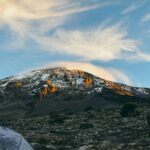
Conquering Kilimanjaro is a dream shared by adventurers worldwide. Standing at 5,895 meters above sea level, Mount Kilimanjaro is Africa’s highest peak and one of the world’s most accessible high-altitude summits. However, choosing the right trekking route can significantly impact your experience, comfort, and summit success rate.
This comprehensive guide explains each route, compares difficulty levels, and helps you select the best option for your Mount Kilimanjaro climb.
Why Route Choice Matters on Mount Kilimanjaro
When planning for conquering Kilimanjaro, route selection is not just about scenery. It directly affects:
-
Acclimatization success
-
Physical difficulty
-
Scenic variety
-
Crowds
-
Budget
Longer routes generally allow better acclimatization, which increases your chances of reaching Uhuru Peak safely.
Overview of Kilimanjaro Routes
There are seven established routes for conquering Kilimanjaro. Each offers unique landscapes and varying difficulty levels.
Machame Route (The “Whiskey Route”)
Duration: 6–7 days
Success Rate: High
Difficulty: Moderate
The Machame Route is one of the most popular choices for conquering Kilimanjaro. It offers stunning scenery and excellent acclimatization profiles.
Pros:
-
Diverse landscapes
-
Good summit success rate
-
Beautiful Shira Plateau views
Cons:
-
Can be crowded
Lemosho Route
Duration: 7–8 days
Success Rate: Very High
Difficulty: Moderate
The Lemosho Route is widely considered the best option for conquering Kilimanjaro due to its gradual ascent and lower traffic in early days.
Pros:
-
Excellent acclimatization
-
Scenic western approach
-
High summit success
Cons:
-
Slightly higher cost
Marangu Route (The “Coca-Cola Route”)
Duration: 5–6 days
Success Rate: Moderate
Difficulty: Moderate
This is the only route with hut accommodation instead of camping.
Pros:
-
Dormitory-style huts
-
Shorter duration
Cons:
-
Lower acclimatization profile
-
Less scenic variety
Rongai Route
Duration: 6–7 days
Success Rate: High
Difficulty: Moderate
Approaching from the north near the Kenyan border, Rongai is quieter and drier.
Pros:
-
Fewer crowds
-
Good during rainy seasons
Cons:
-
Less dramatic scenery compared to Machame
Northern Circuit Route
Duration: 8–9 days
Success Rate: Very High
Difficulty: Moderate
This is the longest route and offers the best acclimatization profile.
Pros:
-
Highest summit success rate
-
Least crowded
-
360-degree mountain views
Cons:
-
More expensive
-
Longer commitment
Comparing Route Difficulty
Conquering Kilimanjaro is a trek, not a technical climb. No ropes or climbing experience are required. However, altitude is the main challenge.
Longer routes = Better acclimatization = Higher success rate.
Short routes increase risk of altitude sickness.
Best Route for First-Time Climbers
For beginners planning on conquering Kilimanjaro, Lemosho or Machame (7-day version) are ideal.
They provide:
-
Gradual ascent
-
Scenic reward
-
Strong success statistics
Avoid 5-day Marangu if summit success is your priority.
Best Route for High Summit Success
Data consistently shows that longer routes like:
-
Northern Circuit (9 days)
offer the highest summit success rates—often above 90% with professional operators.
Acclimatization days make a significant difference.
Short vs Long Routes
| Feature | Short Routes | Long Routes |
|---|---|---|
| Cost | Lower | Higher |
| Success Rate | Moderate | High |
| Acclimatization | Limited | Excellent |
| Experience | Faster | More scenic |
If time allows, longer routes are recommended.
Cost Differences Between Routes
The cost of conquering Kilimanjaro varies depending on:
-
Route duration
-
Crew size
-
Park fees
-
Equipment quality
Average price range:
-
Budget operators: $1,800–$2,500
-
Mid-range: $2,500–$3,500
-
Luxury climbs: $3,500–$6,000+
Remember, extremely cheap climbs often compromise safety standards.
Best Time to Climb Kilimanjaro
The best seasons for conquering Kilimanjaro are:
-
January–March (cooler, fewer crowds)
-
June–October (dry season, popular)
Avoid heavy rainy seasons (April–May, November).
Physical Preparation & Training
Although Kilimanjaro is non-technical, physical preparation is essential.
Recommended training:
-
Long-distance hiking
-
Stair climbing
-
Cardio endurance workouts
-
Strength training
Train at least 8–12 weeks before your climb.
Safety Considerations
Altitude sickness is the main risk when conquering Kilimanjaro.
Professional guides monitor:
-
Oxygen levels
-
Heart rate
-
Symptoms daily
Choose operators who follow proper safety protocols.
Sample 7-Day Machame Route Itinerary
Day 1: Machame Gate to Machame Camp
Day 2: Machame Camp to Shira Camp
Day 3: Shira to Lava Tower to Barranco Camp
Day 4: Barranco to Karanga Camp
Day 5: Karanga to Barafu Camp
Day 6: Summit Day – Uhuru Peak
Day 7: Descend to Mweka Gate
This itinerary offers strong acclimatization benefits.
Frequently Asked Questions
1. Is Kilimanjaro safe to climb?
Yes, with proper acclimatization and professional guides.
2. How difficult is conquering Kilimanjaro?
It’s physically demanding but does not require technical climbing skills.
3. What is the summit success rate?
Varies by route, generally 65–95% depending on duration.
4. Do I need prior climbing experience?
No, but good fitness is important.
5. How cold is summit night?
Temperatures can drop below -10°C (14°F).
6. Can beginners climb Kilimanjaro?
Yes, with adequate training and proper route selection.
Conquering Kilimanjaro is one of the most rewarding adventures in Africa. Choosing the right trekking route significantly improves your safety, comfort, and summit success.
Whether you select the scenic Machame, the gradual Lemosho, or the expansive Northern Circuit, proper planning makes all the difference. With the right preparation and experienced guides, standing on the Roof of Africa becomes not just a dream—but a life-changing achievement.