
Tarangire National Park — Land of Giants
- Home
- Tarangire National Park — Land of Giants
Request a Quote
Explore the Heart of Africa’s Wild
Book Your Dream Safari Today
Unforgettable wildlife moments are just a click away.
Where Elephants Rule and Baobabs Touch the Sky
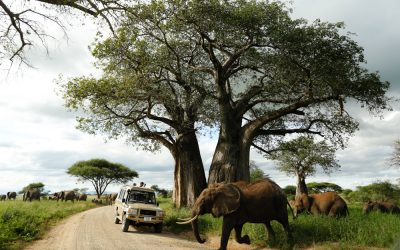
Tarangire National Park is one of the most rewarding wildlife experiences in Tanzania. Located in northern Tanzania, Tarangire National Park is known as the “Land of Giants” due to its large elephant herds and ancient baobab trees. The park offers incredible game viewing, especially during the dry season, when animals gather along the Tarangire River, making it a perfect destination for unforgettable safari adventures.
There is a particular kind of silence in Tarangire that you don’t find anywhere else in Tanzania. It is the silence of a landscape so ancient, so layered with life, that it seems to breathe on its own. Broken only by the trumpet of an elephant, the bark of a zebra, or the liquid call of a yellow-collared lovebird drifting through the branches of a centuries-old baobab, this silence is one of the great gifts of Tanzania’s most underrated national park.
Tarangire National Park covers approximately 2,850 square kilometers in northern Tanzania’s Manyara Region, southeast of Arusha. It is named after the Tarangire River — the park’s lifeblood — which flows year-round through the park and becomes the sole source of water for thousands of animals during the dry season, drawing one of the greatest concentrations of wildlife in all of East Africa to its banks. Yet despite its extraordinary wildlife density and its reputation among seasoned safari travelers as one of Tanzania’s finest parks, Tarangire remains far less visited than the Serengeti or Ngorongoro — a fact that works enormously in your favor.
Here, you can spend an entire morning watching a herd of 200 elephants without another vehicle in sight. You can picnic beneath a baobab tree that was already ancient when the first Europeans set foot in Africa. You can watch a python coiled in the fork of a fever tree and a martial eagle scanning the plains from above — all before noon.
Tarangire is not a secret. It is simply a reward for those who know where to look.
The Tarangire River — Lifeline of the Wilderness
Everything in Tarangire revolves around the river. During Tanzania’s long dry season, from June through October, the Tarangire River is the only permanent water source across a vast area of the northern wilderness. As the surrounding landscape dries and the seasonal water pans evaporate, animals from across the greater Tarangire-Manyara ecosystem begin their annual pilgrimage toward the river. What follows is one of the most remarkable wildlife spectacles in Africa — a dry season congregation that rivals the Serengeti’s Great Migration in terms of sheer animal density, even if it receives a fraction of the attention.
Elephants arrive in their hundreds, then their thousands. Lion prides stake out territories along the riverbank. Buffalo herds blacken the floodplains. Wildebeest, zebra, eland, oryx, and impala jostle for access to the water’s edge. Leopards pace the riverine forest. Crocodiles slide silently from the muddy banks. And above it all, an extraordinary cast of bird species — over 550 recorded in the park — fills every tree, reed bed, and open sky with color and song.
The Tarangire River is not merely a geographical feature. It is the pulse of an entire ecosystem — and following its course on a game drive is one of the most rewarding safari experiences available anywhere in Tanzania.
Elephants — The True Kings of Tarangire
If the Serengeti belongs to the lion and Ngorongoro to the rhino, then Tarangire belongs, without question, to the elephant. The park supports one of the largest elephant populations in Tanzania — estimates suggest over 3,000 individuals use the Tarangire ecosystem — and during the dry season, concentrations of hundreds of elephants gathered along the river or moving in long processions across the dusty plains are a common and humbling sight.
These are not skittish, distant animals glimpsed briefly through a telephoto lens. Tarangire’s elephants are habituated to vehicles and often approach remarkably close, going about their business with a calm authority that makes you acutely aware of their intelligence and social complexity. Watching a matriarch lead her family to the river, the youngest calves barely visible beneath the legs of the adults, is an experience of profound emotional depth.
Family groups, bachelor herds, and enormous solitary bulls with sweeping tusks — Tarangire offers the full spectrum of elephant society, and no safari here feels complete without hours spent in their company.
The Baobabs — Ancient Sentinels of the Plains
No other landscape in Tanzania’s northern circuit is defined so completely by its trees. Tarangire’s iconic baobabs — some estimated to be over a thousand years old — rise from the red earth like monuments, their vast, swollen trunks and bare, gnarled branches giving them the appearance of trees planted upside down, roots reaching toward the sky. They are simultaneously prehistoric and timeless, and they transform the Tarangire landscape into something unlike anywhere else in East Africa.
The baobabs of Tarangire are not merely scenic. They are ecological keystones — providing shelter for hornbills, mongooses, owls, and bats; storing thousands of liters of water within their trunks; and producing fruit that is consumed by elephants, baboons, and a wide variety of other species. Some of the largest individuals bear the scarring of elephant tusks from generations of animals digging into their moisture-rich bark during the driest months.
Photographing the Tarangire baobabs at golden hour — silhouetted against a burning orange sky with elephant shapes moving beneath them — produces some of the most iconic safari images in Africa. This is a landscape made for photography, for contemplation, and for a deep appreciation of the passage of time.
Wildlife Beyond the Elephants
While elephants and baobabs define Tarangire’s identity, the park’s wildlife roster is remarkably broad and frequently surprises even experienced safari travelers.
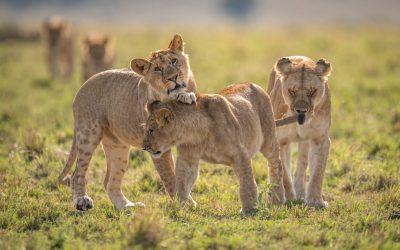
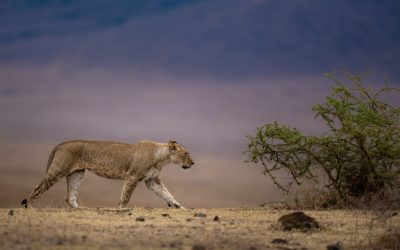
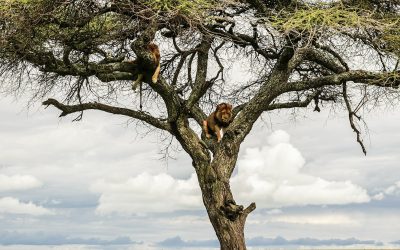
Lions are present throughout the park in good numbers, with riverside habitats and the Silale Swamp area offering particularly reliable sightings. Tarangire’s lions have developed a remarkable and well-documented behavior — tree climbing — that is observed here more frequently than almost anywhere else in Africa outside of Uganda’s Queen Elizabeth National Park.
Leopards inhabit the riverine forest and rocky outcroppings throughout the park. Patient, early morning game drives offer the best chance of an encounter.
Cheetahs are occasionally seen in the more open areas of the southern park, particularly around the Lemiyon region.
African Wild Dogs — one of Africa’s most endangered and thrilling predators — are recorded in Tarangire more frequently than in most other northern circuit parks, and sightings, while never guaranteed, are possible particularly in the dry season.
Large herds of Buffalo are a year-round feature of the park, and the Silale and Gurusi Swamps in the park’s remote north provide some of the best buffalo viewing in Tanzania.
Fringe-eared Oryx, Gerenuk, and Ashy Starling are species rarely or never seen in other northern circuit parks, making Tarangire a genuinely important destination for wildlife enthusiasts seeking to broaden their East African species list.
Birdlife in Tarangire is exceptional. Over 550 species have been recorded, making it one of the finest birding destinations in East Africa. Yellow-collared lovebirds, rufous-tailed weavers, ashy starlings, Kori bustards, saddle-billed storks, and a dazzling array of raptors are among the highlights. The wet season months of November through April see the arrival of thousands of Palaearctic migrants, adding further depth to an already extraordinary avian community.
The Greater Tarangire Ecosystem
The national park itself is only part of the story. The greater Tarangire ecosystem extends far beyond the park’s official boundaries, encompassing a network of wildlife management areas, community conservancies, and private concessions that together create a migration corridor of enormous ecological importance.
During the wet season, from November to May, many of Tarangire’s animals — particularly elephants and wildebeest — disperse outward into the surrounding conservancies and Maasai rangelands to take advantage of the fresh grazing and seasonal water pans. This dispersal is the lesser-known counterpart to the Serengeti’s Great Migration — a quieter, more diffuse movement driven by the same ancient instincts. Staying in one of the private conservancies bordering the park during the wet season offers extraordinary wildlife experiences with virtually no other visitors, as well as the rare privilege of walking safaris and night game drives that are not permitted within the national park itself.
Walking Safaris and Night Drives
One of the great advantages of the private conservancies surrounding Tarangire is the ability to offer activities beyond the standard game drive. Walking safaris led by armed and certified guides bring you into direct sensory contact with the bush in a way that no vehicle can replicate — tracking elephant footprints through the red dust, reading the landscape for signs of predator activity, and discovering the extraordinary world of insects, plants, and smaller creatures that a vehicle-based safari inevitably overlooks.
Night game drives in the conservancies reveal an entirely different cast of characters — porcupines shuffling through the undergrowth, civets slinking between the baobabs, spring hares leaping through the spotlight beam, and occasionally the amber glow of lion or leopard eyes reflecting from the darkness. These activities are available exclusively through conservancy and private lodge bookings, and we can arrange them as part of a fully integrated Tarangire itinerary.
Best Time to Visit Tarangire National Park
Tarangire rewards visitors in every season, but the experience changes dramatically depending on when you come.
The dry season, from June through October, is widely considered the best time for wildlife viewing. As water sources outside the park dry up, animals pour into the Tarangire River corridor in extraordinary numbers, creating some of the densest wildlife concentrations available anywhere in Africa. Elephant sightings during this period are virtually guaranteed, and the chances of encountering lions, leopards, and large herbivore herds are at their highest.
The wet season, from November through May, transforms the park into a lush, green landscape of remarkable beauty. Elephant herds with tiny newborn calves are a common sight, birdlife is at its most spectacular with the addition of migratory species, and the landscape takes on a richness and depth that the dry season cannot offer. Visitor numbers drop significantly, creating a more intimate and personal safari experience.
January and February offer a particularly special combination — the wet season’s green landscapes and newborn wildlife, combined with proximity to the Ndutu calving season further west, making for a beautifully rounded northern circuit itinerary.
Getting to Tarangire National Park
Tarangire is located approximately 120 kilometers southwest of Arusha, making it one of the most accessible parks on the northern circuit. The drive from Arusha typically takes two to two and a half hours along a paved road, passing through the town of Makuyuni before reaching the park gate. This accessibility makes Tarangire an ideal first or last stop on a northern circuit safari, and it is frequently combined with Lake Manyara, Ngorongoro, and the Serengeti into a seamless multi-destination itinerary.
Light aircraft access is available via a grass airstrip within the park and at nearby Kuro airstrip, with scheduled and charter flights connecting Tarangire to the Serengeti, Ngorongoro, and Kilimanjaro International Airport.
Accommodation in Tarangire
Accommodation options in and around Tarangire range from intimate tented camps positioned directly on the Tarangire River — where elephants pass within meters of your tent at dawn — to comfortable lodges on the park boundary and exclusive private conservancy camps offering walking safaris and night drives. We work with a carefully selected portfolio of properties that combine exceptional wildlife positioning, sustainable practices, and authentic Tanzanian hospitality.
Waking up to the sound of elephants moving through the riverine forest outside your tent, with the first light of dawn filtering through the acacia canopy above you, is an experience that defines what a safari tent should feel like — and it is available to every guest we bring to Tarangire.
Our Tarangire Safari Experiences
Whether you are combining Tarangire with the Serengeti and Ngorongoro on a classic northern circuit safari, or dedicating more time to exploring its remote northern reaches and surrounding conservancies, Serengeti Wander Tours will design an itinerary that does full justice to this extraordinary park. Our guides know Tarangire intimately — its seasonal rhythms, its wildlife hotspots, its hidden corners — and their passion for sharing this knowledge makes every game drive a lesson in the interconnectedness of a living ecosystem.
Conservation at Tarangire
Tarangire faces real and ongoing conservation challenges, particularly around the fragmentation of its wider ecosystem as human settlement and agriculture expand into traditional wildlife corridors. The survival of the Tarangire migration — and the elephant populations that depend on it — depends on the protection of land beyond the park’s official boundaries. We are proud to support conservancy-based tourism models that provide direct financial incentives for local communities to coexist with wildlife and maintain open land for animal movement.
Every booking with Serengeti Wander Tours contributes to the conservation initiatives and community programs that make this possible.
Ready to Walk Among the Giants?
The baobabs are ancient. The elephants are gathering at the river. The sun is turning the red earth gold.
Tarangire is one of those rare places that reveals itself slowly — a park that rewards patience, curiosity, and a willingness to look beyond the headline species at the extraordinary complexity of an ecosystem in full, magnificent motion. Let us show you why those who visit Tarangire once almost always come back.
Explore our Tarangire safari packages or speak to our team today to start building your perfect Tanzania safari.
Serengeti Wander Tours | Based in Arusha, Tanzania | www.serengetiwandertours.com
Frequently Asked Questions — Tarangire National Park
Is Tarangire worth visiting if I’ve already been to the Serengeti? Absolutely. Tarangire offers a completely different landscape, atmosphere, and wildlife experience to the Serengeti. The baobab scenery, the river-focused game viewing, the elephant concentrations, and the exceptional birdlife make it a destination that stands entirely on its own merits — and many returning visitors to Tanzania rate Tarangire as their favorite park.
How many days should I spend in Tarangire? A minimum of two full days is recommended to properly explore the park’s main circuit along the Tarangire River. Three to four days, including time in one of the surrounding conservancies, allows for a far deeper experience including walking safaris and night drives.
Can I do a day trip to Tarangire from Arusha? Yes — the park’s proximity to Arusha makes a day trip possible, though we strongly recommend an overnight stay to experience early morning game drives when wildlife activity is at its peak and visitor numbers are at their lowest.
Are there walking safaris in Tarangire? Walking safaris are not permitted within the national park itself but are available in the surrounding private conservancies. We can arrange walking safari experiences as part of a combined park and conservancy itinerary.
What makes Tarangire different from other northern circuit parks? Three things set Tarangire apart: its extraordinary elephant concentrations, its iconic baobab landscape, and its exceptional birdlife. It also tends to be significantly less crowded than the Serengeti and Ngorongoro, offering a more intimate and personal wildlife experience.
Is Tarangire suitable for families? Yes. The park’s high wildlife density, accessible game drive circuits, and close elephant encounters make it one of the most engaging safari destinations for children. It is frequently rated by younger visitors as the highlight of their Tanzania trip.
Photo Gallery:
Find Inspiration for
Your Next Tanzania Safari
Explore a range of private and group safari packages tailored to families, couples, and adventurers seeking unforgettable wildlife encounters.
- From: $2105 / person
- From: $2100 / person
- From: $2100 / person
- From: $4105 / person
- From: $5335 / person
- From: $4105 / person
- From: $3250 / person
- From: $2720 / person